Play store

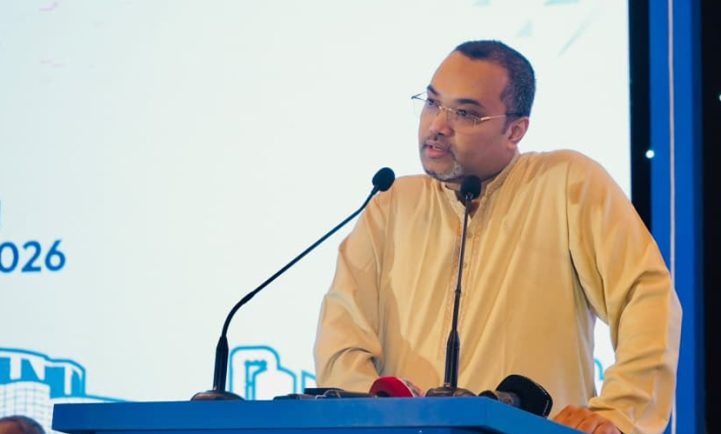
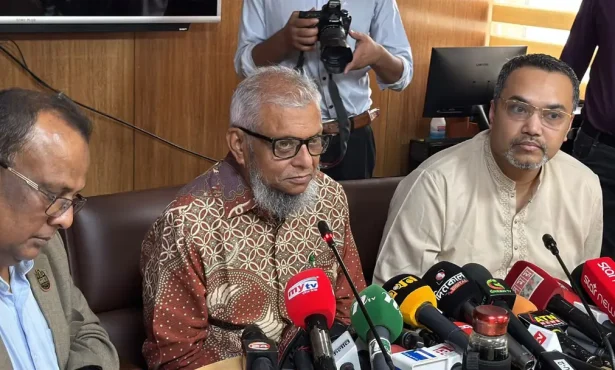
The wage board will determine a reasonable and fair wage for garment workers through sincere discussions and consultations, Prime Minister’s Adviser on Labour and Employment and Expatriates’ Welfare and Overseas Employment Mahdi Amin has sa
He also said political provocation and the infiltration of a particular group were behind recent instability in the garment sector, assuring that the government was addressing all problems peacefully with utmost sincerity and tolerance.
Mahdi Amin, also a spokesperson for the Prime Minister’s Office, made the remarks at the Second Annual International OSH Research Conference 2026, organised by the Ministry of Labour and Employment at Sonargaon Hotel in Dhaka on Sunday.
Speaking about the current situation in the garment sector, he said the government had started repairing a weakened state structure and economy after assuming office through a free, fair and credible election following a long period.
At the same time, the global economic slowdown triggered by conflicts in the Middle East had created energy, gas and electricity shortages in Bangladesh and many other countries, he said.
Despite these challenges, the elected government had given the highest priority to labour-friendly policies, he added.
Referring to the government’s initiatives on wage increases, Mahdi Amin said the Labour Act 2026 placed workers’ interests at the forefront.
He noted that garment workers’ wages had previously been revised in 2013, 2018 and 2023, generally at five-year intervals. However, the current government had formed a wage board within a relatively short period, in line with its election pledge.
Expressing confidence in the wage board’s chairman and members, he said representatives of workers, employers and neutral parties would determine a fair wage as soon as possible, with full government support.
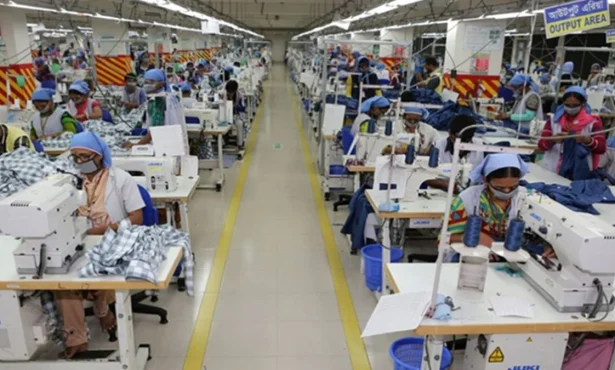
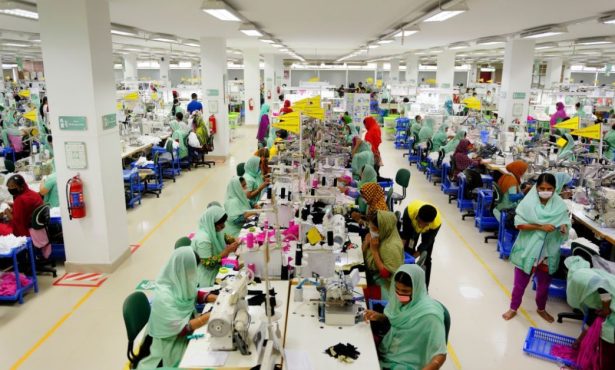
Describing the readymade garment (RMG) industry as a source of national pride, the adviser said the hard work and sacrifices of workers had made ‘Made in Bangladesh’ a recognised brand across the world.
The government wanted more factories to be established and new employment opportunities created, he said, adding that improving workers’ lives would ultimately improve the country’s fortunes.
He called on all sections of society to work together to build a self-reliant and progressive Bangladesh where everyone’s rights and freedoms would be protected.
Mahdi Amin said protecting workers’ safety, dignity and rights was central to the vision of Prime Minister Tarique Rahman’s government for building a fair, equitable and prosperous society.
A safe and healthy working environment was a fundamental need and right of every worker, and ensuring it was a shared responsibility of the government, employers and society, he said.
He stressed that the government’s responsibility went beyond creating employment opportunities to ensuring that workers could perform their duties in safe, dignified and secure conditions.
Emphasising the importance of tripartite dialogue and constructive engagement among the government, employers and workers, he said their collective efforts would help build a safer, healthier and more sustainable future for Bangladesh.
Highlighting workers’ contributions to economic development, he said the country’s industrialisation and employment generation had advanced significantly over the past few decades.
The garment, manufacturing, construction and service sectors had created jobs for millions of people and improved the livelihoods of countless families, he said, stressing that workers’ contributions must remain at the centre of national development.
He also emphasised the need for practical and sustainable implementation of labour laws and policies rather than merely formulating them.
Ensuring workplace safety for women workers, who account for nearly half of the country’s workforce, was another major priority of the government’s action plan, he added.
As Bangladesh moves towards a more diversified and competitive economy, safe and healthy workplaces will become increasingly important not only for productivity but also for building international confidence and attracting foreign direct investment (FDI) and joint ventures, the adviser said.
He said economic progress should be measured not merely by the volume of production but also by how effectively the people behind that production were protected.
He called for collective efforts to build a Bangladesh where every worker enjoys safety and dignity, every business operates sustainably and every workplace offers the promise of a better future.
Labour and Employment and Expatriates’ Welfare and Overseas Employment Minister Ariful Haque Chowdhury, State Minister for Foreign Affairs Shama Obaed Islam, International Labour Organization (ILO) Bangladesh Country Director Max Tuon, European Union Ambassador to Bangladesh Michael Miller, Labour and Employment Secretary Abdur Rahman Tarafdar and Bangladesh Employers Federation President Fazle Shamim Ehsan, among others, also spoke at the conference.