


 Play store


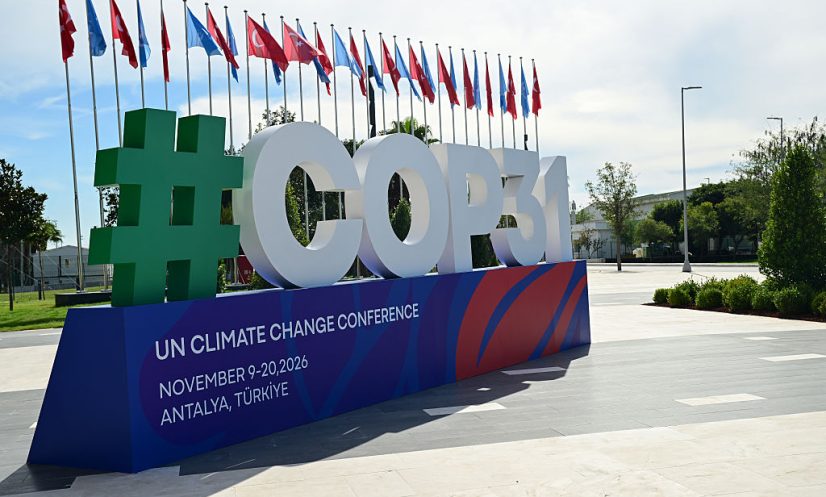
The climate crisis is no longer a distant environmental threat; it is an immediate global challenge affecting people’s lives, livelihoods, economies and the future of the planet. From devastating floods and cyclones to prolonged droughts, rising sea levels and extreme temperatures, the consequences of climate change are becoming increasingly severe. Yet these impacts are not distributed equally. Developing countries, despite contributing relatively little to global greenhouse gas emissions, often bear a disproportionate share of the burden because of their limited financial resources, technological capacity and institutional preparedness.
Against this backdrop, the five urgent global actions proposed by Bangladesh’s Prime Minister Tarique Rahman at the 31st United Nations Climate Change Conference (COP31) in Antalya, Türkiye, deserve serious international attention. His proposals outline a framework for advancing climate justice, promoting equitable development and ensuring that no country or community is left behind in the transition to a sustainable future.
Climate finance must reflect the realities of vulnerable communities. For many developing countries, climate adaptation is not simply a policy choice; it is a matter of survival. Substantial investment is urgently needed in climate-resilient infrastructure, disaster preparedness, flood protection, sustainable agriculture, water management and resilient healthcare systems.
Allocating at least 50 per cent of international climate finance to adaptation, in line with individual countries’ priorities, would help address the existing imbalance. While reducing greenhouse gas emissions remains essential, communities already suffering the consequences of climate change cannot afford to wait for mitigation efforts to produce results.
For Bangladesh, where millions of people face recurring floods, cyclones, river erosion and saltwater intrusion, adaptation finance can protect livelihoods, strengthen food security and save lives. International climate funding must therefore prioritise the needs of vulnerable populations rather than remain disproportionately concentrated on emissions-reduction projects.
Climate change is creating an increasingly difficult financial dilemma for developing nations. Many countries are forced to borrow money to recover from climate-related disasters while simultaneously investing in adaptation and sustainable development. The resulting debt burden can undermine their ability to protect their populations and build long-term resilience.
Debt-relief mechanisms, including debt-for-climate swaps and Climate-Resilient Debt Clauses, offer potential ways to ease this pressure. Under debt-swap arrangements, a portion of a country’s debt obligations can be redirected towards nationally determined climate and environmental programmes. Climate-resilient debt clauses, meanwhile, can provide borrowers with additional financial flexibility when severe climate-related shocks occur.
Such mechanisms could create fiscal space for renewable energy, forest conservation, coastal protection, biodiversity preservation and resilient infrastructure. However, they must be designed transparently and equitably, with the full participation of borrowing countries, to ensure that they do not create additional financial or administrative burdens.
Technology is among the most important tools for addressing climate change, but access to advanced green technologies remains deeply unequal. Developing countries frequently face high costs, intellectual property barriers, shortages of technical expertise and inadequate infrastructure.
Fair access to climate-friendly technologies is essential for an inclusive global transition. Solar and wind power, energy storage, electric mobility, climate-smart agriculture, water conservation technologies and early-warning systems must become more affordable and accessible to the countries that need them most.
International cooperation should go beyond supplying equipment. It must also encompass knowledge-sharing, technical training, research partnerships, institutional capacity-building and support for local innovation.
A sustainable global future cannot be achieved if technological progress remains concentrated in wealthier nations. Green technology must become a shared resource, enabling developing countries to pursue economic growth without repeating the environmentally damaging development patterns of the past.
The transition to renewable energy is essential to reducing dependence on fossil fuels, strengthening energy security and addressing the climate crisis. However, many developing countries struggle to attract the large-scale investment required to expand renewable energy infrastructure.
Affordable financing can help overcome this barrier. International financial institutions, development partners and private investors should work together to provide concessional loans, grants and appropriate risk-sharing mechanisms. Such support can finance solar and wind power projects, modern electricity grids, energy storage facilities and decentralised energy systems.
For developing economies, borrowing costs are a decisive factor. High-interest loans can turn otherwise viable renewable energy projects into financial liabilities. By contrast, affordable investment in clean energy can generate employment, strengthen local industries, extend electricity access to remote communities and build long-term economic resilience.
Bangladesh aims to generate 20 per cent of its electricity from renewable sources by 2030. The government plans to add 4,000 megawatts of solar power capacity to the national grid, supported by policy measures, tax and duty benefits, and financial incentives.
Outlining the country’s adaptation strategy, Prime Minister Tarique Rahman said Bangladesh intends to plant 250 million trees over five years and excavate approximately 20,000 kilometres of rivers and canals. These initiatives are intended to conserve water, reduce flooding, restore wetlands and replenish groundwater. They also demonstrate the importance of combining ambitious environmental targets with adequate financing and effective implementation.
The proposed Belém-Antalya Action Mechanism highlights the importance of making the global transition to a low-carbon economy socially inclusive and economically equitable, with fair financing and fair trade at its core.
Climate policies affect workers, communities, industries and national economies in different ways. The transition towards cleaner energy and sustainable production must not come at the cost of widespread unemployment, greater inequality or the marginalisation of vulnerable populations.
A just transition requires international cooperation, social protection, skills development, decent green jobs and inclusive economic opportunities. It must also provide practical support to workers and communities whose livelihoods depend on carbon-intensive industries.
Prime Minister Rahman has also emphasised the need to involve women and young people in climate action, create decent green employment and accelerate global emissions reductions to keep the 1.5°C temperature goal within reach.
Developed and developing countries have different capacities and responsibilities. Every nation must have the opportunity to pursue climate action without compromising its development priorities, poverty-reduction efforts or people’s right to a dignified life.
Beyond these five proposals lies an equally important principle: developing nations need grants rather than additional loans to address a crisis they have contributed relatively little to creating. Borrowing more to finance climate adaptation and disaster recovery risks deepening existing inequalities and transferring an even greater financial burden to future generations.
Climate finance must be guided by equity, historical responsibility and the principle of common but differentiated responsibilities and respective capabilities. Wealthier nations and international development partners must translate their commitments into predictable, accessible and adequate financial support.
Grants are particularly important for countries facing recurrent climate disasters, where borrowing to rebuild essential infrastructure can create a cycle of debt and vulnerability. Climate finance should help these countries build resilience, not leave them with another generation of financial obligations.
COP31 should be remembered not merely for declarations and diplomatic commitments, but for meaningful action that improves people’s lives. The proposals advanced by Prime Minister Tarique Rahman provide an opportunity to place fairness, solidarity and shared responsibility at the centre of international climate cooperation.
Ultimately, climate action is not simply about protecting the environment. It is about protecting humanity, safeguarding human dignity and securing a liveable planet for future generations. The success of global climate negotiations will depend on whether the international community can translate its commitments into tangible solutions, particularly for those most vulnerable to climate change.
The time has come to move beyond promises towards genuine partnerships, beyond mounting financial burdens towards climate justice, and beyond unequal opportunities towards a sustainable future for all.
The views expressed in this article are the author’s own and do not necessarily reflect Sarabangla English Edition’s editorial stance.