


 Play store

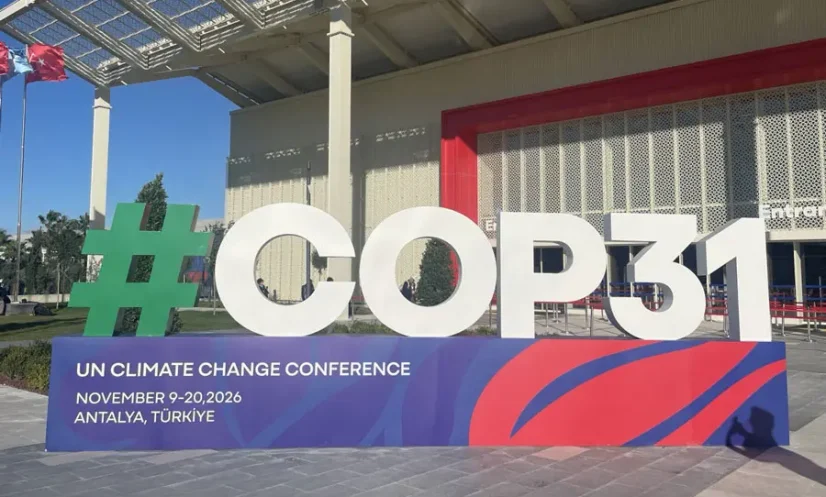
The latest and possibly final draft agreement from the UN climate summit in Antalya, Turkey, has made no mention of fossil fuels, the main driver of global warming, or called for a shift away from coal, oil and gas.
The draft, released early Sunday by Turkish Environment Minister Murat Kurum, co-president of the two-week COP31 conference, has drawn objections from several countries and climate activists.
Negotiators were given only about three hours to raise objections or seek changes before the proposal was presented to what could be the summit’s final meeting. The agreement requires near-unanimous consensus for approval.
The proposed 10-page document refers to the 2023 Dubai agreement on transitioning away from fossil fuels but does not contain the words “fossil”, “oil”, “coal” or “phase out”.
Several countries have expressed serious reservations about the draft. Panama has vowed to formally oppose any final agreement that fails to cap oil production, acknowledge shortcomings in efforts to limit global warming and increase financial support for vulnerable nations to adapt to climate change.
Panamanian Environment Minister Juan Carlos Navarro accused a “petroleum mafia” of holding the negotiations hostage and called for reforms to the process.
The draft instead includes a target to capture, reuse and store one billion metric tonnes of carbon, supporting the controversial carbon capture and storage (CCS) technology backed by the oil industry.
The technology is intended to help industries that cannot easily switch to renewable energy reduce their carbon dioxide emissions. However, climate experts have warned that it could be used to justify continued investment in fossil fuels.
“Fossil fuels are the root cause of climate change and there is no plausible pathway to limit climate overshoot without rapidly phasing them out,” said Rachel Cleetus of the Union of Concerned Scientists.
Alden Meyer of the think-tank E3G said fossil fuels had been absent from final COP decisions for more than 25 years, although countries agreed to a transition away from them at the Dubai summit in 2023.
He warned that failing to reaffirm that commitment would represent a major setback.
The draft also incorporates Turkey’s proposed electrification target, calling for the share of electricity in total final energy consumption to rise from around 21 per cent currently to 35 per cent by 2035.
Achieving the target would require countries to shift transport, including cars, trucks and aircraft, towards electricity and replace coal-based energy with electricity in industrial production.
Climate activists, however, want the agreement to specify that the electricity must come from renewable sources such as wind and solar.
They warn that electrification powered by coal and gas would undermine efforts to reduce emissions.
“Electrification that runs on coal and gas does not limit warming,” said Bill Hare, chief executive of Climate Analytics.
Meanwhile, climate-vulnerable countries are demanding clearer commitments on financial assistance to help poorer nations adapt to rising temperatures and extreme weather.
Previous COP summits pledged to triple adaptation finance but failed to establish a specific financial baseline.
The negotiations, originally scheduled to conclude on Friday, have entered a second day of overtime, raising concerns that the departure of delegates could leave too few representatives to approve the final agreement.