Play store

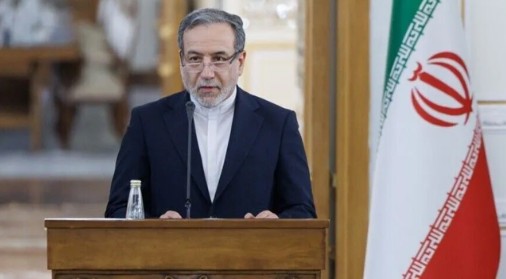
Iran wants to establish a new regional security arrangement in the Middle East led by countries in the region, and talks with Saudi Arabia are continuing towards that goal, Iranian Foreign Minister Abbas Araghchi has said.
Tehran has also called for an end to foreign military presence in the Middle East.
In a message posted on social media platform X on Tuesday (November 3), Araghchi said Iran had no hostility towards the countries of the Gulf Cooperation Council (GCC).
Praising the positive roles played by Qatar and Oman, he said Tehran was continuing dialogue with Saudi Arabia.
He said regional countries should take the initiative to build their own security arrangements without any foreign military presence.
In an interview with Qatar-based Al Jazeera on Monday (November 2), Araghchi said discussions on a new regional security framework had taken place during recent visits to Tehran by delegations from Saudi Arabia, Türkiye and Pakistan.
The four countries had agreed to expand cooperation and continue discussions at various levels to address political, security and economic challenges, he said.
Araghchi said Iran had no intention of targeting friendly Gulf countries. However, he warned that if the United States launched fresh attacks, Iran would retaliate against US military bases and other American facilities in the Middle East.
He also called for cooperation from Gulf countries to prevent a new conflict.
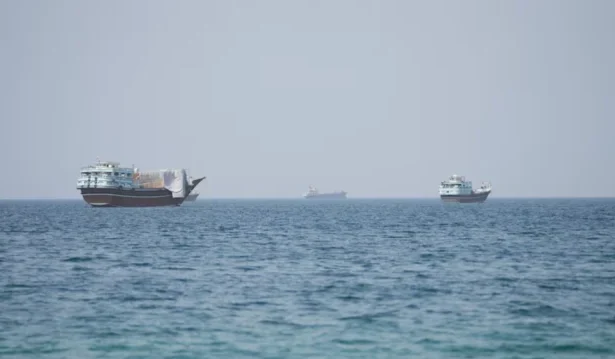
Meanwhile, Iran has proposed reopening the Strait of Hormuz through Qatari mediation. Under the proposal, the United States would first have to meet several demands, including lifting sanctions, ending the maritime blockade, ensuring Iran’s ability to export oil, releasing frozen Iranian assets and reducing its military presence in the Middle East.
Iran has proposed reopening the strait the day after these conditions are fulfilled.
Araghchi said indirect talks had been held in New York with US representatives Steve Witkoff and Jared Kushner through Qatari mediation. However, no agreement had been reached on holding direct talks.
He made it clear that discussions on the Strait of Hormuz and negotiations over Iran’s nuclear programme were two separate issues.
Diplomatic contacts between the two sides have continued through mediators since the United States and Israel launched attacks on Iran on February 28.
Tehran has said that while Iran remains interested in diplomacy, its armed forces are prepared to respond if the country faces fresh military attacks.