Play store

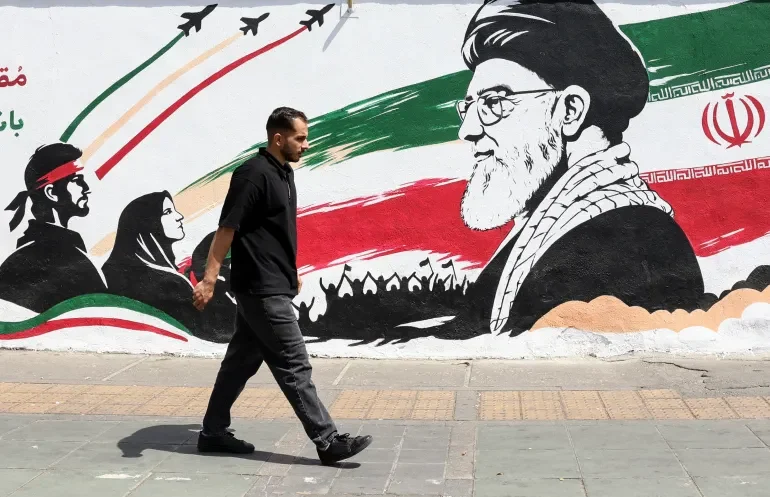
Iran has accused the United States of violating their interim peace understanding by attempting to establish a new shipping route through the Strait of Hormuz without Tehran’s approval, as both sides confirmed they remain engaged in indirect talks to ease tensions following weeks of military confrontation.
Iranian Foreign Minister Abbas Araghchi said Washington’s move to bypass Iranian authorities in the strategic waterway breached the US-Iran Memorandum of Understanding (MoU) signed in June, which he said recognises Tehran’s authority to determine transit routes and operational mechanisms in the Strait of Hormuz.
In an interview published by Iranian media on Saturday, Araghchi said the United States should have consulted Iran before introducing any new maritime arrangements. He added that the two countries had agreed to maintain a direct communication channel to resolve disputes arising from the interim agreement.
His comments came as both countries signalled a possible easing of tensions after weeks of exchanges that pushed their fragile truce close to collapse.
According to Al Jazeera, there were no reported US strikes on major Iranian cities overnight, marking the first relatively calm night after nearly two weeks of sustained military action. Iran’s Health Ministry spokesperson Hossein Kermanpour described it as “a peaceful night” in a post on X.
US President Donald Trump also appeared to soften his earlier warning of launching fresh “massive” strikes against Iran.
“They are talking to us right now; they’d love to make a deal,” Trump told reporters on Friday. “I don’t think they’re ready to, but I’m willing to listen.”
Iranian officials also confirmed that indirect contacts between Tehran and Washington remain active through mediators.
“There have been proposals conveyed by the mediators, and Tehran is still reviewing them,” Al Jazeera correspondent Resul Serdar reported from Tehran. However, he noted that significant differences remain, with deep mistrust continuing to hamper progress.
The Strait of Hormuz has emerged as the central point of contention between the two countries.
Iran insists that, under the June agreement, vessels passing through the strategic waterway should coordinate with Iranian authorities and follow designated transit routes. The United States rejects that interpretation, maintaining that the strait is an international waterway beyond Iranian control. The dispute has already affected global shipping.
Following attacks by Iranian forces on vessels accused of violating Tehran’s navigation arrangements, the United States reimposed its blockade on Iranian ports.
US Central Command spokesman Tim Hawkins said on Friday that American forces had “disabled” a tanker that repeatedly ignored warnings while attempting to breach the blockade. The US military also claimed it had redirected 12 commercial vessels and disabled another ship since resuming enforcement measures on July 14.
Security analyst and former Austrian Defence Attaché Wolfgang Pusztai said Washington is employing a combination of diplomacy, economic pressure and military action to achieve its strategic objectives.
“All three of them are coordinated,” he told Al Jazeera, suggesting the United States is seeking to secure unrestricted navigation through the Strait of Hormuz while simultaneously encouraging Iran to return to negotiations. Meanwhile, the regional conflict continued to widen.
Iran-backed Houthi forces in Yemen have intensified attacks around the Bab al-Mandeb Strait, another vital global shipping corridor linking the Red Sea with the Gulf of Aden.
The Saudi-led coalition said it carried out strikes on Houthi-controlled positions in Yemen’s Hodeidah city on Friday, targeting facilities allegedly linked to attacks on commercial shipping.
On Saturday, air raid sirens sounded in Saudi Arabia’s Yanbu and Jizan provinces, home to key oil facilities along the Red Sea coast. Houthi military spokesman Yahya Saree later claimed responsibility for attacks targeting facilities associated with Saudi oil giant Aramco.
Saudi civil defence authorities confirmed the warning sirens had been activated because of a “potential danger” but later announced that the alert had been lifted without providing further details.
The latest developments underscore the continuing fragility of the US-Iran ceasefire, with the future of maritime security in the Strait of Hormuz remaining one of the biggest obstacles to a broader political settlement. Source: Al Jazeera