


 Play store

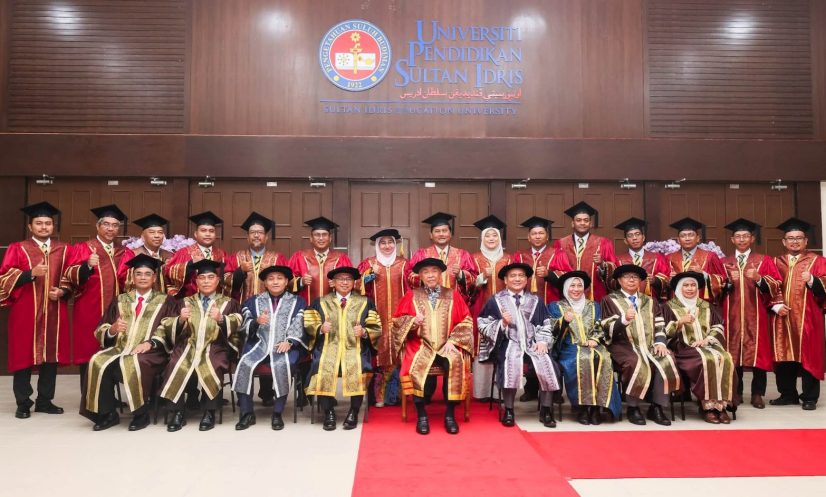
Ahmadul Kobir, Malaysia: Malaysia’s Deputy Prime Minister Datuk Seri Dr Ahmad Zahid Hamidi has called on Technical and Vocational Education and Training (TVET) graduates to go beyond technical skills and develop expertise in artificial intelligence (AI), innovation and entrepreneurship to help drive the country’s future industries.
He said TVET graduates should acquire not only technical competencies but also the ability to use AI, data and digital technologies effectively, solve problems, communicate clearly and make ethical decisions.
At the same time, he called for greater opportunities for graduates to establish businesses and create employment for others.
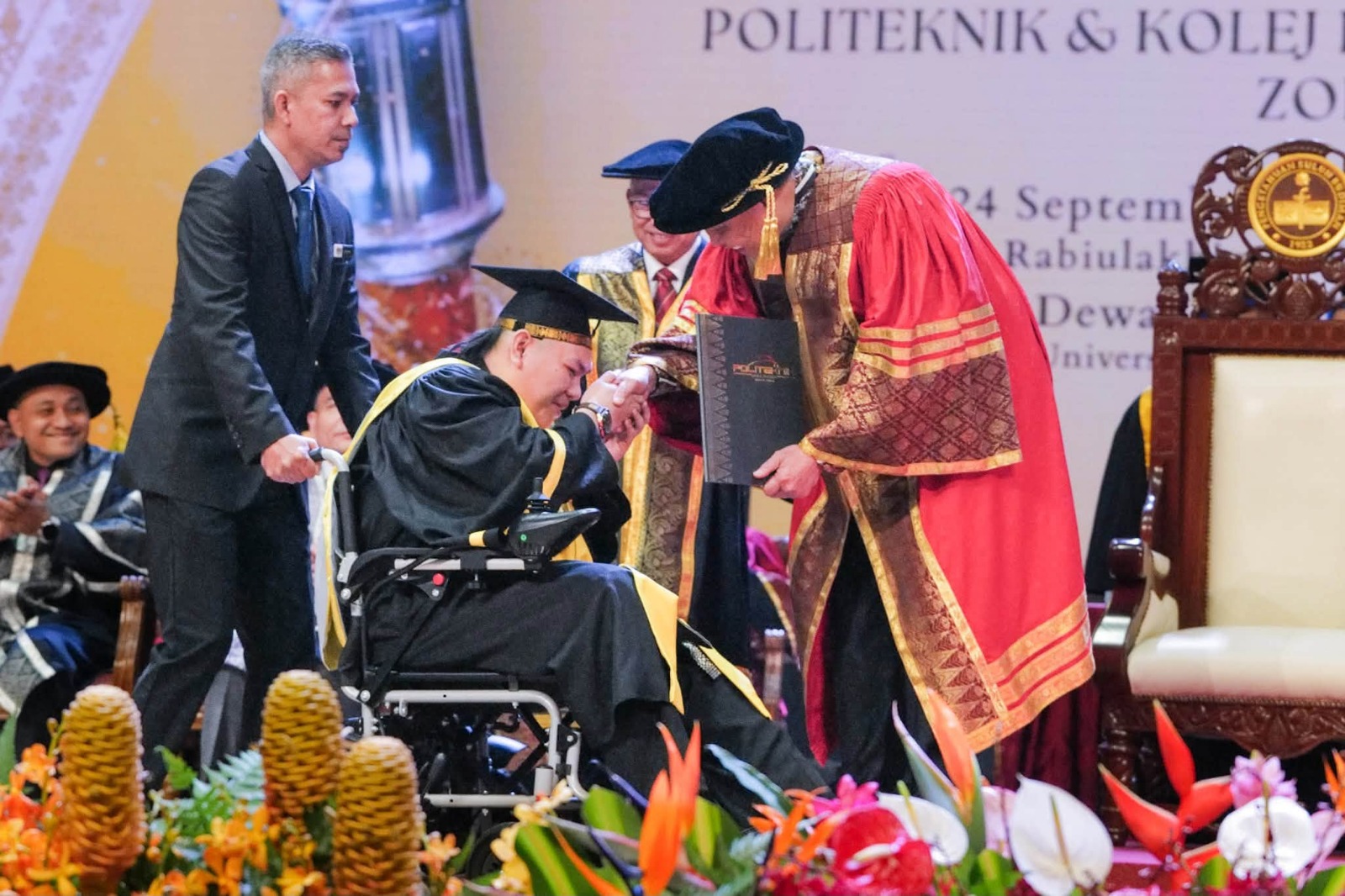
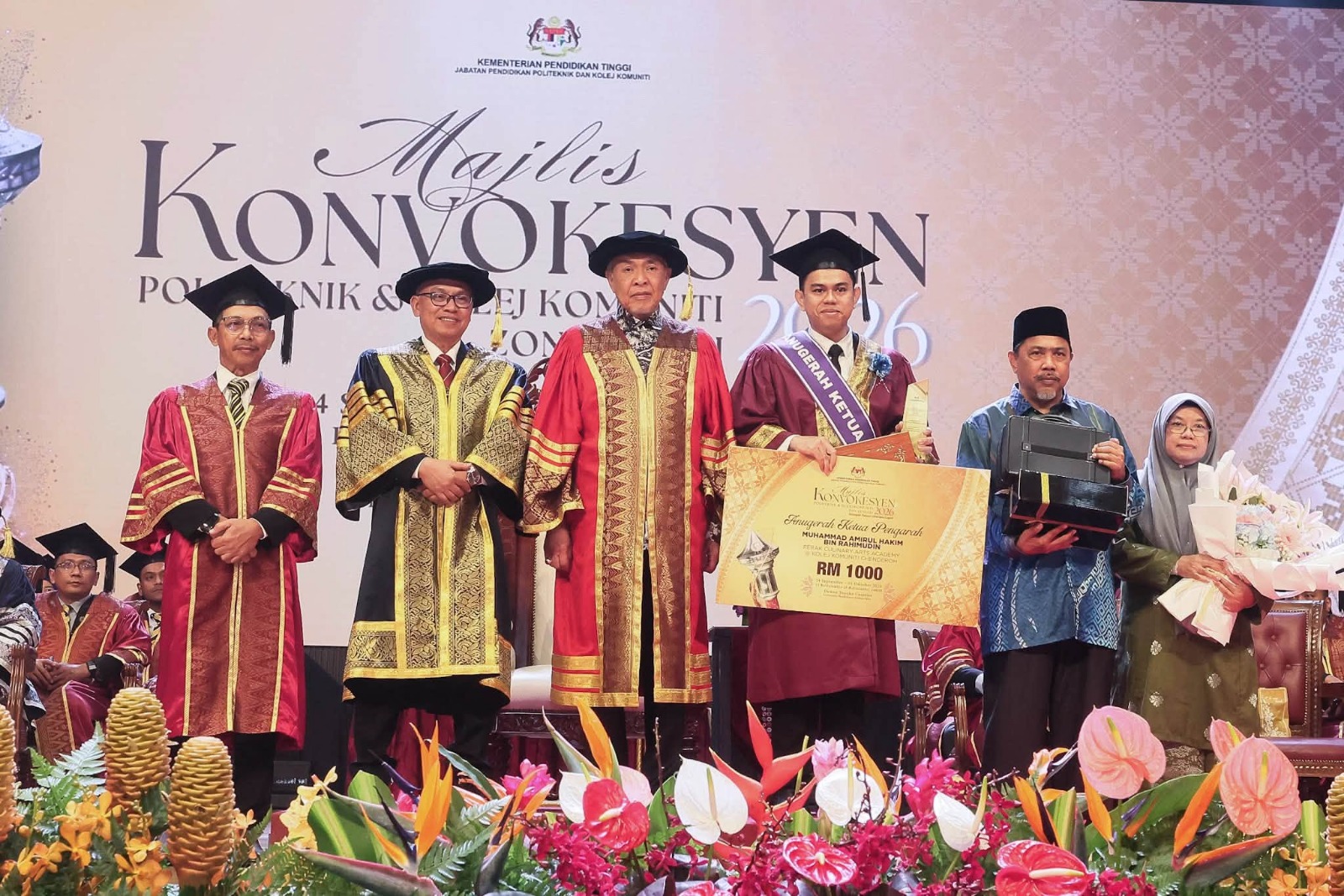
Ahmad Zahid, who is also Minister of Rural and Regional Development, made the remarks in his speech at the Central Zone Polytechnic and Community College Convocation Ceremony at Universiti Pendidikan Sultan Idris (UPSI) on Thursday.
He outlined three key priorities for strengthening TVET education and better preparing graduates for the future.
The first, he said, is to make proficiency in AI, data and digital technologies a fundamental competency for students.
“Alongside technological skills, students must also possess problem-solving, communication and ethical decision-making abilities,” he said, stressing the importance of using technology responsibly.
As the second priority, Ahmad Zahid called on the Polytechnic and Community College Education Department (POLYCC) to strengthen applied innovation through closer partnerships with industry.
He said promising student projects should be tested in real-world settings and subsequently refined into market-ready products or solutions.
Citing a smart irrigation system developed by students as an example, he said such innovations could be tested directly with farmers to reduce water wastage and improve agricultural efficiency.
Educational institutions and industry players, he said, must provide the necessary guidance and create pathways for commercialising innovative student projects.
The third priority, he said, is to create more opportunities for TVET graduates to become entrepreneurs.
Citing former Ampang Community College student Noor Azri Aiman as an example, Ahmad Zahid said the graduate had established a mobile phone repair business, ASZR Legacy.
With the technical skills and entrepreneurial guidance he received, Noor Azri expanded the business by opening two additional branches and creating employment opportunities for local youths.
Such examples, Ahmad Zahid said, showed that TVET education could go beyond producing skilled workers by equipping graduates to build businesses and create jobs.
“We are proud of ‘Made in Malaysia’. But now we must take another step forward towards ‘Made by Malaysians’, products and innovations created by Malaysians,” he said.
Ahmad Zahid also highlighted the extensive industry network involving 23,580 partners of polytechnics and community colleges nationwide.
He said the network should be utilised more extensively in curriculum development, industrial training and professional certification.
He urged industry players to engage with educational institutions from the outset to help identify the skills and competencies that future industries would require.
Students, he added, should also receive greater exposure to the latest technologies and modern workplace practices.
Ahmad Zahid further stressed the importance of developing specialised skills based on the strengths and capabilities of individual educational institutions.
Citing Sultan Nazrin Shah Maritime Polytechnic as an example, he said the institution should be further developed as a strategic maritime TVET centre, with training and certification programmes aligned with industry requirements and international standards.
He also highlighted the achievement of 55 polytechnic students who completed training at Liuzhou Railway Vocational Technical College in China on September 5.
Opportunities for international training and exposure, he said, should be expanded to benefit more students from polytechnics and community colleges.
Such programmes would not only help students master modern technologies but also expose them to international working environments and professional practices, he added.