Play store

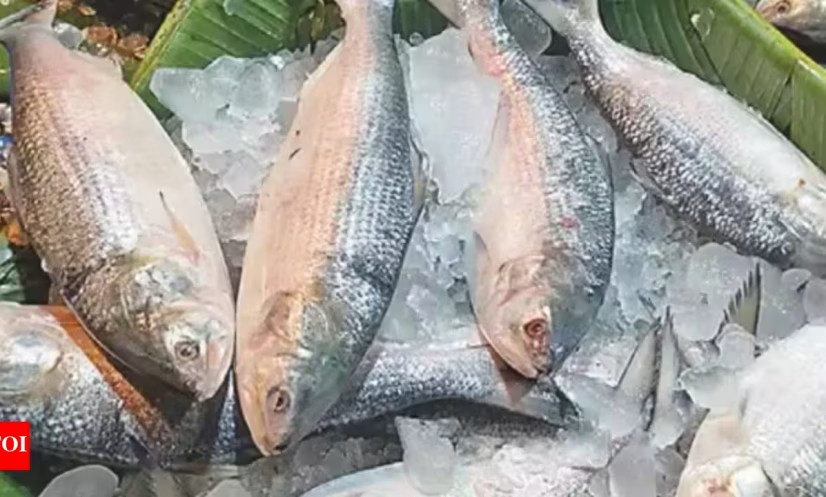
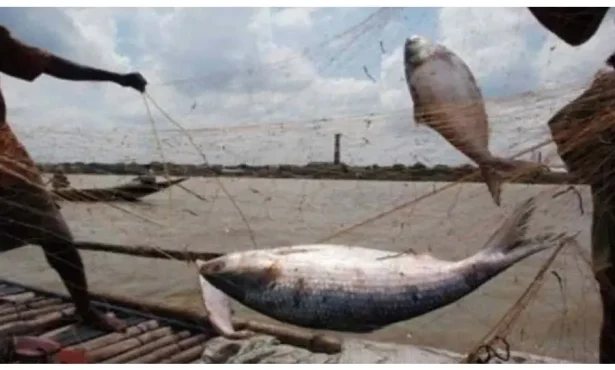
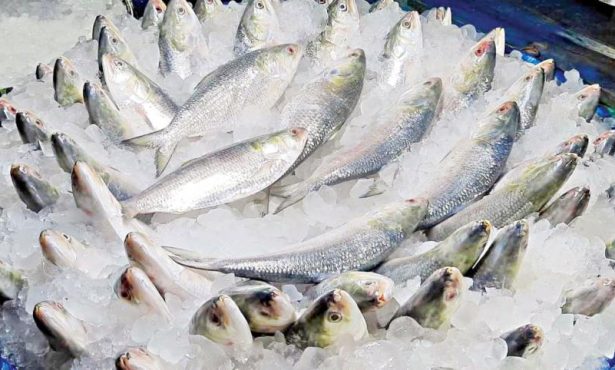
Indian traders have once again requested permission to import hilsa from Bangladesh ahead of the upcoming Durga Puja celebrations.
The Fish Importers Association of India has sent a letter to the Bangladesh government seeking permission to import hilsa for the festival.
According to sources at the Ministry of Commerce, the Indian traders’ organisation has sent separate letters to the Prime Minister’s Office, the Ministry of Foreign Affairs and the Ministry of Commerce, continuing its annual request.
The Ministry of Commerce is positively considering the export of hilsa to India for Durga Puja, although the quantity to be exported has not yet been decided.
Meanwhile, 18 Bangladeshi companies have already applied to export hilsa to India. The Ministry of Commerce will send a letter to the Ministry of Fisheries and Livestock on Wednesday (September 9) for verification and evaluation of the applications.
Commerce Secretary Ataur Rahman Khan said the government had received the letter from Indian traders. He added that the quantity of hilsa that could be exported would be decided after discussions with the Ministry of Fisheries and Livestock.
In their letter, the Indian traders said Bangladesh had exported an average of 5,000 tonnes of hilsa to India annually since 1996. However, exports were suspended after 2012 for unspecified reasons.
Since September 2019, the Bangladesh government has allowed hilsa exports to India for one month during the Durga Puja period under special permission. However, local traders say such limited and short-term permissions have not brought significant benefits in practice.
The Indian traders have also requested that permission be granted earlier this year, rather than towards the end of September as in previous years.
According to available data, Bangladesh approved the export of 500 tonnes of hilsa to India in September 2019 after a long suspension. In 2020, permission was granted for 1,850 tonnes, although the full quantity was not exported.
In 2021, against approval for 4,600 tonnes, only 1,200 tonnes were exported. In 2022, Bangladesh approved 2,900 tonnes, but actual exports stood at 1,300 tonnes. In 2023, permission was granted for 3,950 tonnes, while only 1,300 tonnes were eventually exported.