Play store

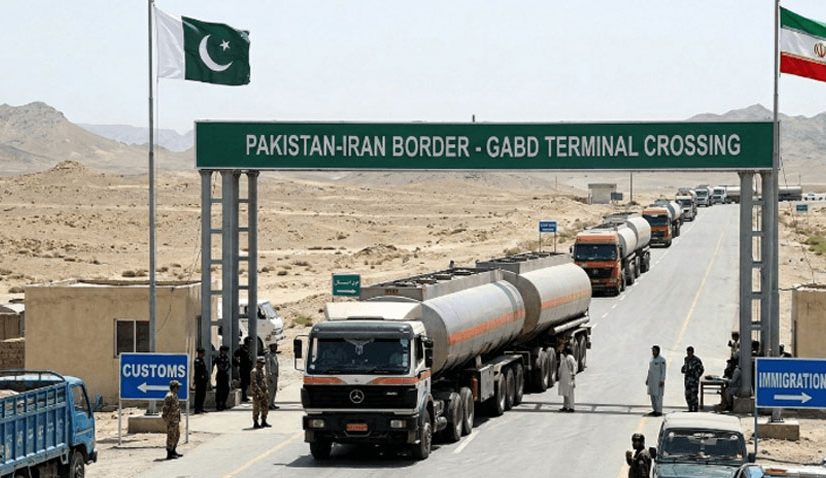
Pakistan and Iran have reopened the Gabd-Rimdan border crossing after a seven-day closure, resuming bilateral trade and allowing trucks carrying liquefied petroleum gas (LPG) and essential food items to move after being stranded for a week.
Commercial vehicles were allowed to cross the border on Saturday morning through the Gabd-Rimdan crossing, also known as Gate 250, in Pakistan’s Gwadar district, Pakistani newspaper Dawn reported on Sunday.
However, only cargo trucks carrying consignment notes dated October 16 or earlier were permitted to enter, according to the report.
Mir Naveed Jan Kalmat, president of the Gwadar Chamber of Commerce and Industry, confirmed the resumption of commercial activities at the crossing.
He said the reopening had restored the movement of vehicles carrying import and export goods between the two countries, bringing immediate relief to traders and transport operators stranded on both sides of the border.
Kalmat welcomed the decision, saying the resumption of trade could help ease LPG shortages across Pakistan as supply chains returned to normal. It could also help contain rising prices of fuel and food items, he added.
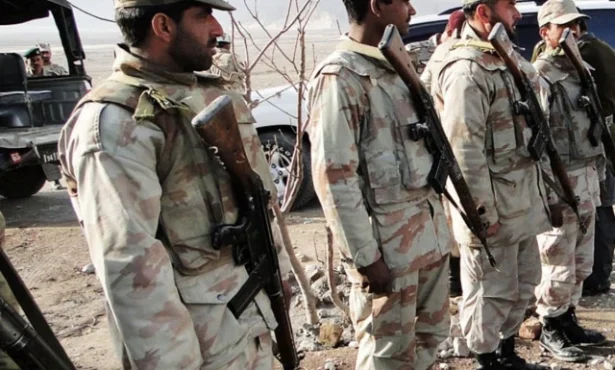
The border was reopened after local authorities reviewed the security situation following an attack earlier in the week. Additional security personnel were deployed to protect commercial cargo convoys before traffic resumed on Saturday.
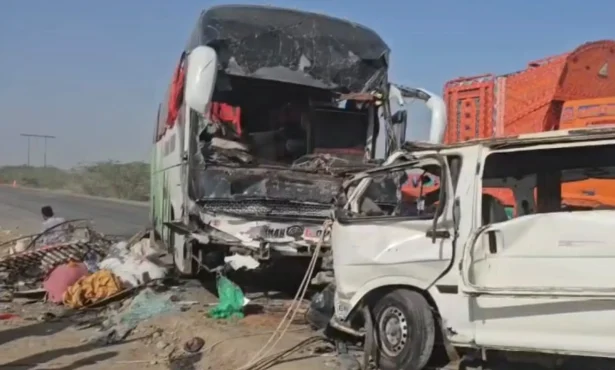
On Thursday, unidentified gunmen attacked cargo trucks stranded near the Gabd-Rimdan crossing. Several trucks caught fire, while a number of others were damaged.
The vehicles had been stranded at the border since October 17, when Pakistan’s Ministry of Commerce suspended commercial activities at both the Gabd-Rimdan and Taftan crossings.
The ministry also immediately withdrew a trade order issued on October 3 through a memorandum. It did not specify the reasons for suspending trade at the time.
The reopening is expected to ease the backlog of cargo and help restore the flow of essential supplies between Pakistan and Iran.