Play store

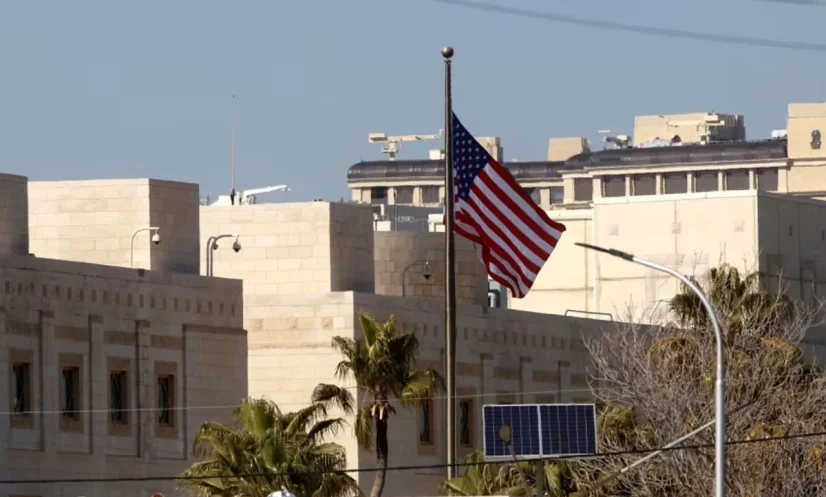
The United States is withdrawing non-essential government employees and their families from Saudi Arabia and adjusting staffing levels at diplomatic missions across the Middle East amid growing concerns that Iran may target American officials and personnel, CNN reported.
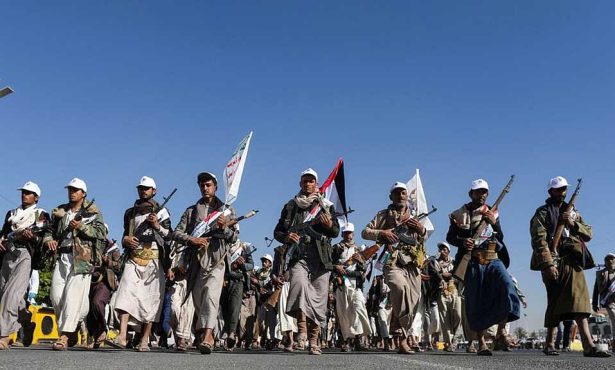
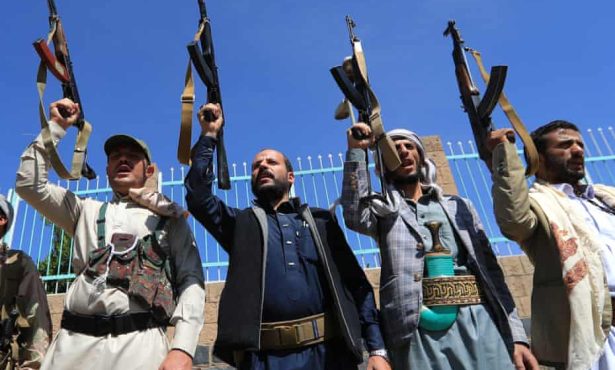
The move comes amid fears of renewed regional conflict, with US intelligence indicating a significant increase in Iranian efforts to target American personnel. Security threats from Yemen’s Iran-backed Houthi rebels have also contributed to the decision.
The US State Department this week ordered non-emergency personnel and all family members of US government employees to leave Saudi Arabia. Staffing levels are also being adjusted at diplomatic missions in Jordan, Bahrain, Kuwait, Qatar, the United Arab Emirates and Lebanon, according to sources familiar with the matter.
However, the measures vary by country, with some missions ordering the departure of non-essential personnel and their families, while others are temporarily adjusting staffing levels and limiting operations.
An unclassified memorandum dated October 23 and addressed to Secretary of State Marco Rubio said US intelligence agencies had detected a significant increase in Iranian efforts to target American personnel. The assessment indicated that such activities had reached an advanced stage in several regions, including the Middle East.
A US official told CNN that staffing decisions at diplomatic missions are regularly reviewed in light of new security information. The latest adjustments at missions operating under restricted conditions were prompted by threats from the Houthis and intelligence about Iranian plots targeting US officials.
One American diplomat described the situation as chaotic, saying the financial assistance offered to families leaving the region was insufficient to cover their expenses.
During the early weeks of the war, many families had already faced difficulties finding new homes and schools for their children after leaving their postings. They now face the prospect of another relocation, potentially with less financial support from the State Department.
Nikki Gamer, a spokesperson for the American Foreign Service Association (AFSA), told CNN that the latest moves were repeating the disruption families experienced earlier this year.
Many had only recently begun settling back into their assignments before being ordered to leave again, she said, adding that they were understandably frustrated, confused and angry.
A State Department official said on Friday that all directly employed US personnel and their families were receiving per diem allowances and assistance for housing and schooling in line with government rates applicable to the relevant geographic locations.
Staffing adjustments across the region
The State Department has confirmed temporary changes to staffing levels at diplomatic missions in Lebanon, the UAE, Qatar and Jordan under their existing restricted-operations status.
No staffing changes have been made in Kuwait or Bahrain, the official said, indicating that personnel levels at those missions remain within established limits.
Staffing levels at missions operating under restricted conditions are continuously assessed and adjusted, the official added.
Although the withdrawal order for Saudi Arabia was formally announced, the changes at other missions have not been publicly disclosed in the same way. The State Department stressed that the missions’ official status had not changed and that they remained under restricted operations.
The arrangement allows staffing levels to be adjusted without a formal change in a mission’s status.
A source familiar with the situation in Amman, Jordan, described the repeated relocations as creating a sense of “Groundhog Day”, referring to the feeling of repeatedly experiencing the same disruption.
While children had not been allowed to return to every diplomatic posting, spouses had been permitted to return to most locations. Some families are now leaving missions where they were allowed to reunite with their diplomatic relatives only recently.
Families face uncertainty over financial support
The latest withdrawals have raised concerns about the financial assistance available to affected families, particularly those whose diplomatic relatives must remain at their posts because they perform essential duties.
According to sources familiar with the arrangements, communication and coordination between the State Department headquarters in Foggy Bottom and foreign service officers in the field have again become severely strained, similar to the situation at the beginning of the Iran war.
Some officers were reportedly uncertain whether their families would receive per diem allowances to cover relocation expenses in the United States. At some missions, routine planning meetings and town halls ahead of departures were not held, leaving employees to learn about developments through news reports rather than their local leadership.
AFSA said it had received accounts of bureaucratic delays and confusion over the arrangements.
In a statement on Thursday, the association said families who had recently returned to their postings and re-enrolled their children in school were being told to prepare to leave again without clear guidance on the financial assistance they could expect.
Gamer said families outside Saudi Arabia had reported being instructed to depart without confirmation of housing assistance or per diem payments. They had been told that such support was unavailable because the diplomatic missions’ restricted-operations status had not changed, she added.
Families often depend on these allowances to cover unexpected accommodation costs and find new homes after sudden departures from overseas postings, particularly when the diplomatic employee must remain behind.
“Families deserve to know how they will pay for housing before they get on a plane,” Gamer told CNN.
A State Department official acknowledged the difficulties facing diplomatic personnel and their families under restricted operations, authorised departures or ordered departures.
The department remains committed to helping families manage the disruption, including additional expenses and school enrolment, the official said, adding that it was communicating directly with affected employees and would provide further details in the coming days.
Regional tensions raise security concerns
The staffing changes come amid heightened tensions involving Iran and the Houthis. The State Department has repeatedly warned that attacks linked to the conflict could spread rapidly beyond the immediate area.
US President Donald Trump has also indicated that Washington could resume attacks against Iran after the midterm elections. Sources said Israel had pressed strongly for faster action against Iran, but those efforts had not succeeded so far.
The latest diplomatic withdrawals reflect Washington’s efforts to reduce risks to its personnel as security concerns mount across the region.