Play store

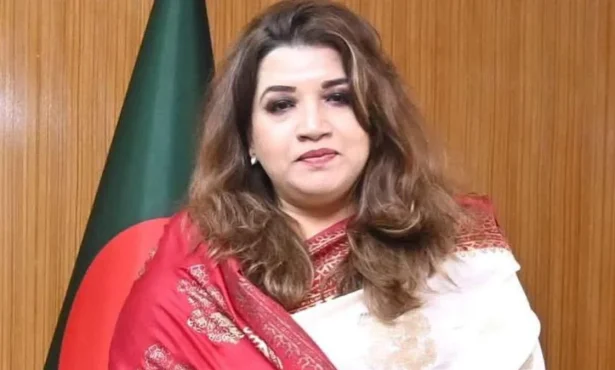
Dhaka: State Minister for Foreign Affairs Shama Obaed Islam on Sunday described the protracted Rohingya crisis as a growing security concern for Bangladesh, stressing the need to keep the issue high on the international agenda and intensify diplomatic efforts to ensure the refugees’ safe and dignified repatriation to Myanmar.
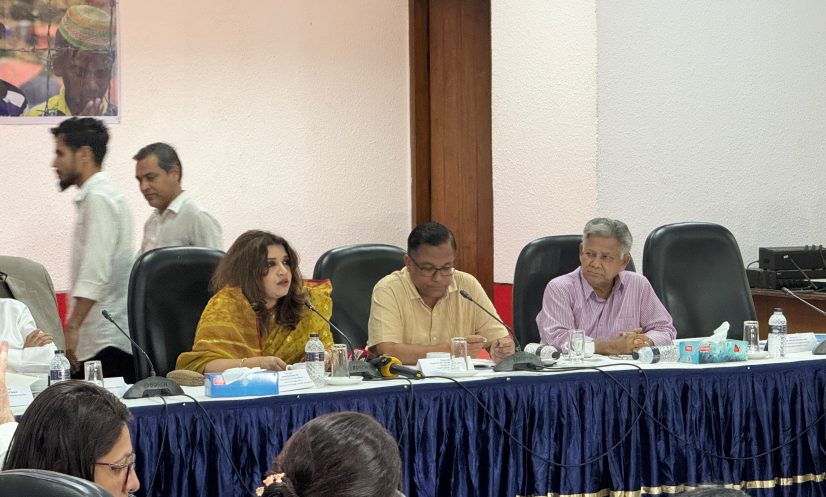
“We need to keep the Rohingya issue relevant on the international stage, and keeping it relevant remains a major challenge,” she said while addressing a national policy dialogue as the chief guest.
Neeti Gobeshona Kendro organised the dialogue titled “A Sustainable Approach to the Resolution of the Rohingya Crisis: Outline of a National Strategy and External Contribution” at the CIRDAP Auditorium in Dhaka.
The State Minister said Bangladesh needed to maintain pressure on the international community to engage meaningfully with Myanmar and help create an environment conducive to the safe, voluntary and dignified return of Rohingyas to their homeland.
She also stressed the importance of forging a national political consensus on addressing the crisis, saying a coordinated approach involving all political parties and stakeholders was essential to sustaining Bangladesh’s diplomatic efforts.
“We have always been vocal about the Rohingya crisis,” Shama Obaed said, reiterating that repatriation must take place in a safe and dignified manner.
“We need to ensure minimum dignity for them,” she added.
Bangladesh is currently hosting more than 1.3 million Rohingyas, most of whom fled persecution and violence in Myanmar’s Rakhine State. Their prolonged presence has placed mounting pressure on host communities, local resources, the environment and the national economy, while creating increasingly complex humanitarian, social and security challenges.
Against this backdrop, the State Minister’s remarks underscored the need to move beyond treating the Rohingya issue solely as a humanitarian concern and address its broader implications for Bangladesh’s national security and regional stability.
The dialogue brought together policymakers, political leaders, diplomats, researchers, civil society representatives, human rights advocates, journalists and members of the Rohingya community to discuss a sustainable and comprehensive strategy for resolving the protracted crisis.
Participants focused on developing a national strategic framework, building political consensus, strengthening diplomatic engagement and identifying the roles that international partners and other external stakeholders could play in facilitating a durable solution.
The discussion also highlighted the importance of keeping the Rohingya issue firmly on the global agenda at a time when competing international crises risk diverting attention and resources from the situation in Myanmar.
Speakers emphasised that a lasting solution would require sustained diplomatic engagement, coordinated national efforts and meaningful participation of the Rohingya community. They also stressed that international cooperation and concrete action to address the root causes of displacement in Myanmar would be essential to creating conditions for voluntary, safe and dignified repatriation.
The dialogue concluded with a call for a unified national position and stronger international engagement to address one of Bangladesh’s most pressing humanitarian, diplomatic and security challenges.