


 Play store

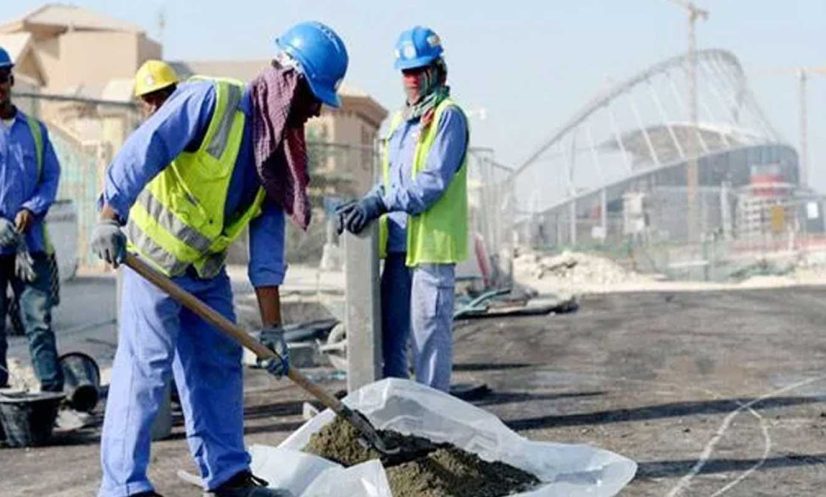
Bangladesh’s overseas employment has declined sharply amid the ongoing conflict and geopolitical tensions in the Middle East.
Airspace closures in several countries, heightened security risks and regional instability have disrupted labour migration, with the number of Bangladeshi workers leaving for jobs abroad falling by more than 200,000 over the past five and a half months.
According to data from the Ministry of Expatriates’ Welfare and Overseas Employment, the number of male workers leaving Bangladesh for overseas jobs fell by 208,173 between February 28 and August 15, following the start of US-Israeli attacks on Iran.
A total of 276,964 male workers went abroad during the period, compared with 485,137 in the corresponding period last year.
Meanwhile, 25,915 female workers left Bangladesh for jobs in 47 countries during the five months and 15 days, compared with 23,936 during the same period last year.
Saudi Arabia recorded the largest decline, with 188,200 fewer Bangladeshi workers travelling there. A total of 133,264 workers went to Saudi Arabia between March 1 and August 15 this year, compared with 321,464 during the corresponding period last year.
Analysing the impact of the recent instability in the Middle East on labour markets and migrant workers, Shariful Islam Hasan, associate director (migration) at BRAC, told Banglanews that remittance earnings and overseas employment opportunities had been affected.
“Employment opportunities for us in the Middle East have declined. Second, many of those already abroad do not have specific contracts or permanent jobs; they work on weekly or monthly contracts. Their work has been severely affected by the recent situation, and many have lost their jobs,” he said.
Hasan said the conflict was also changing the economic landscape of the Middle East.
He noted that cities such as Dubai and Qatar had developed over the past four to five decades as safe investment destinations, attracting investors from around the world.
“But if attacks or war-like incidents occur in places such as Dubai, that perception takes a hit. The war has significantly affected real estate and businesses there. And if investment declines, new employment opportunities will naturally fall as well,” he said.
Hasan said the conflict was still ongoing and a clearer picture would emerge after the situation stabilises.
He said it would then become possible to assess whether employers were changing their priorities, whether migrant workers were losing jobs and what broader changes might take place in overseas employment markets.