


 Play store

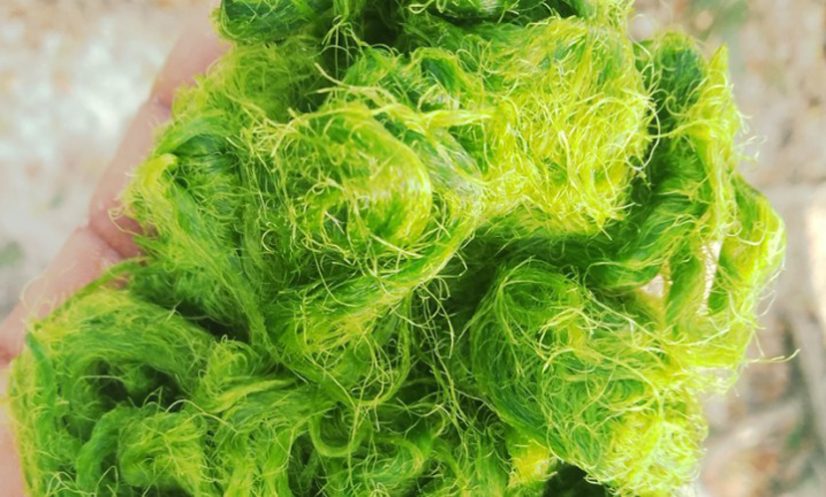
Seaweed farming is emerging as a promising economic opportunity for Bangladesh’s coastal communities, with experts stressing its potential to help address the adverse impacts of climate change and reduce pressure on animal-based and other plant-based resources.
Experts at Patuakhali Science and Technology University (PSTU) are encouraging greater use of products made from seaweed, which they say could create alternative employment opportunities for coastal residents while strengthening the country’s blue economy.
Seaweed that grows naturally in the sea is already being processed into a variety of food products, including ice cream, sweets, jalebi, biscuits and sandesh. It is also used to make nori sheets, a key ingredient in Japan’s popular sushi, as well as jellies and other nutritious foods.
Beyond food, seaweed is used in food supplements, tablets, soaps, herbal skin treatments and various cosmetic products.
Seaweed contains fibre, protein, vitamins, antioxidants, omega-3 fatty acids and various minerals. Experts say these nutrients can contribute to overall health, while seaweed-based products are also increasingly being explored for skincare and haircare.
Teachers and students of the Fisheries Biology and Genetics Department under PSTU’s Faculty of Fisheries have successfully cultivated seaweed and processed it into food and cosmetic products after working on the initiative for several months.
Dr Montaria Jannat, a medical officer at Dumki Lutheran Health Care, and PSTU Assistant Professor Md Shahzadul Islam of the Department of Food Microbiology and Safety said seaweed contains various vitamins, minerals and protein.
“Seaweed contains many vitamins and minerals as well as protein. People generally depend on beef as a source of protein, but excessive consumption of meat can be harmful. Seaweed can provide protein without some of the concerns associated with excessive meat consumption,” they said.
PSTU Professor Dr Md Ariful Alam, chairman of the Department of Fisheries Biology and Genetics, said Patuakhali was initially selected for seaweed cultivation because of its coastal location and the easy availability of the resource.
“Since Patuakhali is a coastal district and seaweed is readily available here, we took the initiative to begin cultivation in the district. Its availability also keeps production costs low. Seaweed is highly nutritious and can be used as an alternative food source,” he said.
He said the university initially developed several food products from seaweed as part of efforts to explore its potential.
PSTU Professor Dr Md Rajib Sarker of the Department of Fisheries Biology and Genetics said seaweed had remained largely untapped in Bangladesh despite its nutritional value.
“Seaweed can be considered a kind of marine vegetable. Compared with many other vegetables, it contains high-quality protein, vitamins and minerals,” he said.
He added that nutrients in seaweed can be readily absorbed by the human body and may help increase antioxidant capacity and support the immune system.
Students involved in the initiative said commercial production and marketing of seaweed-based products could provide alternative livelihoods for people in coastal areas and contribute to the expansion of Bangladesh’s blue economy.
Given the growing commercial and nutritional importance of seaweed, experts believe expanding cultivation and developing effective marketing channels for seaweed-based products are now essential to unlock the sector’s potential.