


 Play store

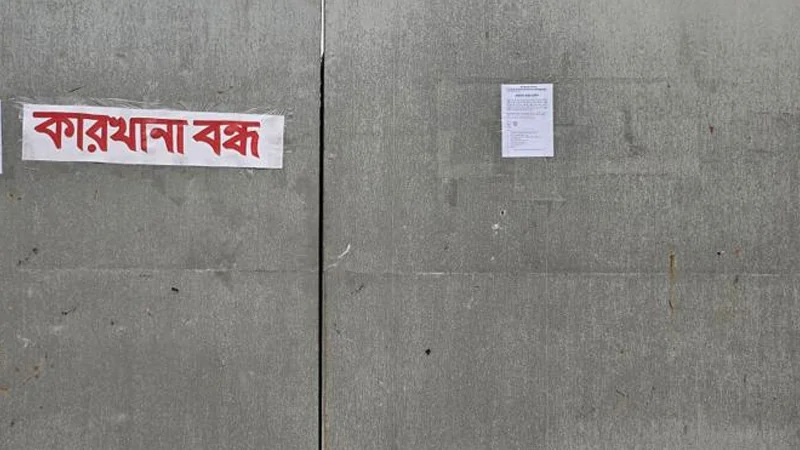
Garment factory owners in Bangladesh are considering keeping factories in labour unrest-hit areas closed under a proposed ‘no work, no pay’ policy, as disruptions continue to affect production across major industrial zones.
A section of factory owners is pushing for the implementation of the policy, under which workers who report to factories but refuse to work would not receive wages for the day.
The proposal is part of an 11-point set of demands submitted by manufacturers amid growing concerns over labour unrest.
The proposal also seeks amendments to the Bangladesh Labour Act to introduce the provision formally.
Other demands include setting floor prices for garment products, ensuring uninterrupted gas and electricity supplies, and providing compensation to factories affected by utility disruptions.
The latest move comes amid renewed unrest in Ashulia and Gazipur, where around 146 garment factories suspended production or declared holidays on Tuesday (November 10), according to factory owners and Labour Ministry officials.
More than 100 of the affected factories were in the Ashulia industrial belt.
Factory owners said workers entered many factories but refused to join production activities, making it difficult to maintain normal operations. Some factories also reportedly faced vandalism.
The Bangladesh Garment Manufacturers and Exporters Association (BGMEA) is monitoring the situation and may consider broader factory closures if the unrest continues.
Three factory units — New Age Apparels, New Age Garment and Kailock New Age BD — have already announced indefinite closures under Section 13(1) of the Labour Act.
The provision allows employers to suspend factory operations under certain circumstances, including labour unrest that prevents normal production.
Workers are not entitled to wages during such closures, subject to the applicable legal provisions.
Meanwhile, garment workers have been demanding a minimum monthly wage of Tk 30,000, up from the existing Tk 12,500, citing rising living costs and difficulties in managing household expenses.
The government formed a six-member minimum wage board on November 1 to review workers’ pay.
At its first meeting, the board agreed to introduce a revised wage structure from December, with workers expected to receive their first salaries under the new structure in January.
However, continued labour unrest has raised concerns among manufacturers and international buyers over production delays and shipment schedules.
Industry sources said some international buyers had already started shifting orders to other manufacturing destinations, including India. A major European apparel brand has also warned that it could reduce its orders from Bangladesh by 15 to 20 per cent over the next two months if stability is not restored.
Labour leaders have urged workers to remain calm and allow the wage board to complete its work, warning that prolonged unrest could threaten employment and the industry’s export performance.
Bangladesh’s garment sector employs around four million workers and accounts for more than 80 per cent of the country’s export earnings.