


 Play store

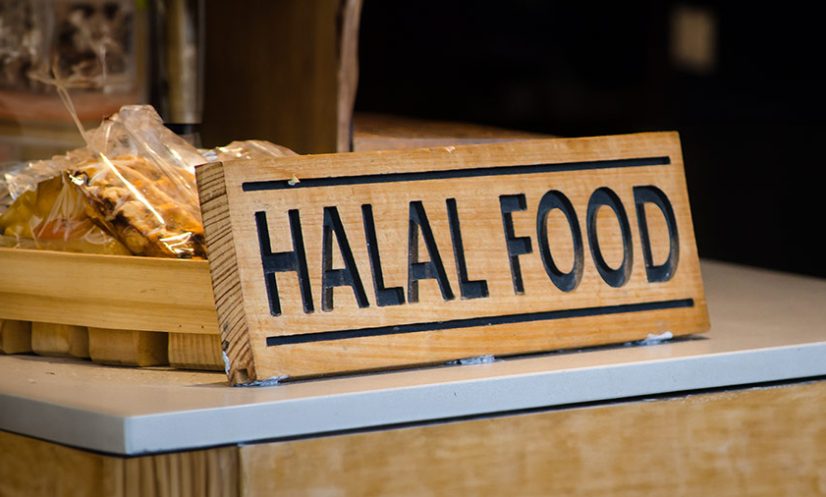
Bangladesh has the potential to significantly increase its halal exports by establishing a unified halal authority, introducing internationally recognised certification and testing systems, and adopting coordinated policy measures, speakers said at a workshop in the capital on Saturday.
The observations came at a workshop titled “Halal Export Diversification”, organised by the Bangladesh Chamber of Industries (BCI), where experts highlighted the country’s vast opportunities in the rapidly expanding global halal economy.
They said the halal sector could become a new driver of export diversification and strengthen Bangladesh’s position in international markets, provided the country develops a credible halal ecosystem backed by global standards.
BCI President Anwar-ul Alam Chowdhury (Parvez) chaired the event, while Export Promotion Bureau (EPB) Vice-Chairman and Chief Executive Officer (Additional Secretary) Mohammad Hasan Arif attended as the chief guest.
A keynote paper was presented by Dr Md Mominul Islam, Associate Professor at IUBAT Business School. Former Bangladesh-Malaysia Chamber of Commerce and Industry President Shabbir A. Khan and Dhaka University Economics Professor Dr Md Deen Islam joined the discussion as designated discussants.
Addressing the programme, Hasan Arif said export diversification remains one of Bangladesh’s top priorities as the country seeks to expand beyond its traditional export sectors.
He noted that the global halal economy extends well beyond food and agricultural products, covering sectors such as pharmaceuticals, cosmetics, tourism, finance and lifestyle services. This creates significant opportunities for Bangladesh to broaden its export basket, he said, adding that the EPB is ready to provide all necessary support to exporters interested in entering the halal market.
Anwar-ul Alam Chowdhury said Bangladesh must focus equally on industrial development and export diversification as it prepares to graduate from the Least Developed Country (LDC) category.
He pointed out that ready-made garments currently account for about 82 percent of the country’s exports, earning around US$38.28 billion, while halal product exports remain limited to only about US$850 million despite the sector’s huge potential.
According to him, the global halal market was valued at US$3.3 trillion in 2025 and is expected to grow to US$9.45 trillion by 2034. Demand for halal products is increasing not only among the world’s nearly two billion Muslims but also among consumers of other faiths because of their emphasis on quality, safety, ethics and health.
He said only about 20 percent of global demand for halal products is currently being met, leaving enormous opportunities for countries like Bangladesh.
The workshop recommended branding Bangladesh as a trusted international halal hub by establishing a single halal authority, ensuring Shariah compliance and internationally accepted quality standards throughout the production chain, setting up accredited testing laboratories, strengthening research and development, improving infrastructure and developing a skilled workforce. Participants also suggested drawing lessons from successful halal-exporting countries such as Malaysia, Indonesia and Thailand.
Former FBCCI President Mir Nasir Hossain, Bangladesh Accreditation Board Director General Md Aminul Islam and representatives from government agencies, industry bodies and private companies also attended the workshop.