Play store

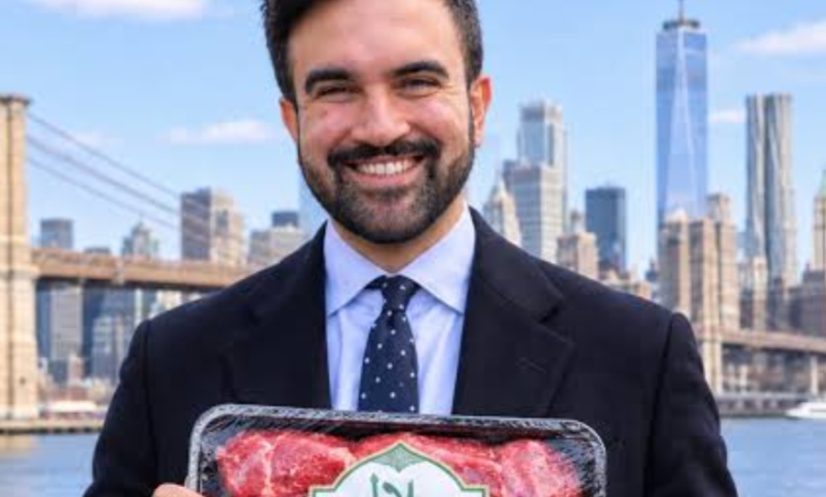
HM Akter, NEW YORK: New York City Mayor Zohran Mamdani has signed an executive order directing city agencies to improve access to halal and kosher food across publicly funded meal programmes, a move welcomed by Muslim community leaders.
The order, signed on November 18, seeks to ensure that the religious dietary requirements of residents are respected in meals served at public schools, hospitals, senior centres, homeless shelters and other city-run facilities.
New York City agencies serve more than 220 million meals and snacks every year to students, hospital patients, older adults and people living in shelters. The new directive aims to make halal and kosher options more consistently available and easier to identify across these programmes.
“No New Yorker should have to turn down a nutritious meal because it violates their religious practice,” Mamdani said in a statement.
Under Executive Order 25, the Mayor’s Office of Food Policy will prepare citywide guidance on providing food to people who observe religious dietary restrictions. The guidance is expected to be issued by November 17, 2027. City agencies have been directed to take all practicable steps to follow it.
The guidance will cover third-party halal and kosher certification, transparent labelling of meals and their ingredients, and annual surveys to gather feedback from people using city food programmes. It will also seek to establish more consistent standards across government agencies and their food suppliers.
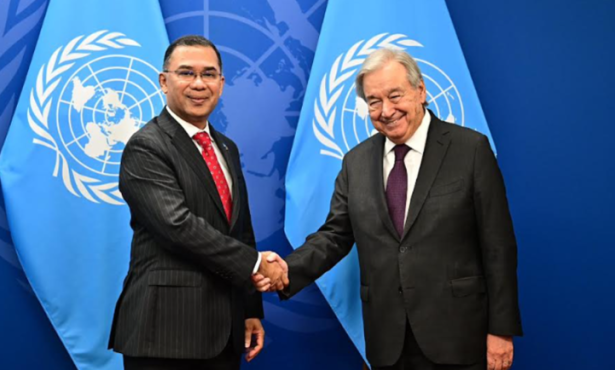
Muslim Ummah of North America (MUNA) President Imam Delawar Hossain welcomed the executive order, describing it as a timely and commendable response to a longstanding demand of the Muslim community.
In a statement, he said ensuring halal food in schools, hospitals and other city institutions had been a longstanding demand of Muslims in New York.
He praised Mamdani for recognising the community’s concerns and issuing the directive, and expressed gratitude to those who had worked to advance the initiative and help ensure the preparation and supply of Shariah-compliant halal food.
Hossain said the initiative would play an important role in promoting religious freedom, mutual respect and an inclusive society. He expressed hope that the order would be properly implemented and bring positive benefits to Muslim residents and others concerned.
Imam Abdullah, president of the Majlis Ash-Shura of Metropolitan New York, also welcomed the move but stressed the need for proper certification and oversight.
He said halal meals must be readily available, properly verified and consistently maintained according to meaningful standards and supervision.
Limited access to halal food has long been a concern among Muslim communities in New York, particularly for low-income families and people who depend on food assistance programmes.
A 2022 study by the Arab-American Family Support Center, cited in a report by Epicenter NYC, found that only 38 per cent of 75 food pantries surveyed across the city offered halal food. As a result, some Muslim families had to leave food distribution centres with fewer supplies or without protein options that met their religious requirements.
The report also highlighted concerns over unclear food labels, limited supplies of halal meat and the risk of cross-contamination when halal and non-halal food are prepared or stored together.
For Muslims observing halal dietary rules, the presence of a halal label alone may not be sufficient. The source of meat, certification, preparation methods, storage and serving arrangements are also important to ensure compliance with religious requirements.
The new executive order is expected to address some of these concerns by setting clearer standards for certification and labelling and improving coordination among city agencies.
New York is home to people from diverse religious, cultural and ethnic backgrounds. The initiative is intended not only to improve access to food but also to ensure that residents do not have to compromise their religious beliefs to benefit from public assistance.
If effectively implemented, the policy could expand access to nutritious meals that meet the religious requirements of Muslim and Jewish residents while improving transparency and accountability in the city’s food supply system.