Play store

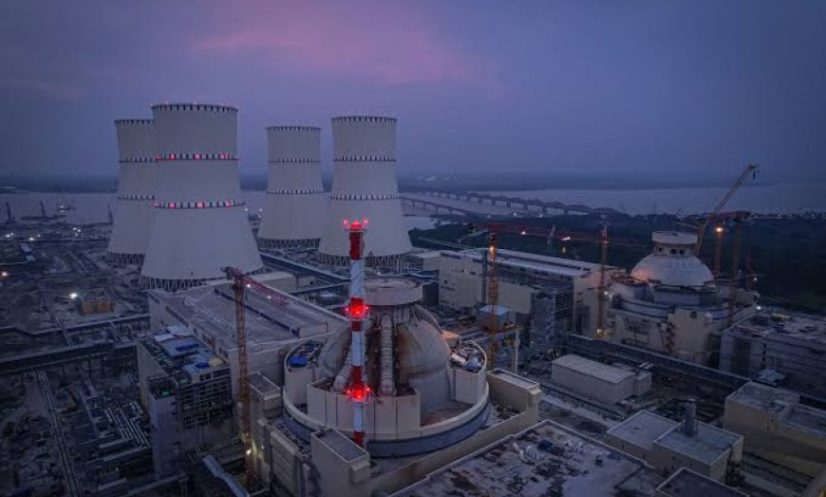
The planned trial connection of 300 megawatts of electricity from the first unit of the Rooppur Nuclear Power Plant to Bangladesh’s national grid will not take place in August 2026 as previously targeted.
Although the project has completed the necessary technical and safety tests, it is still awaiting the B-2 commissioning licence from the Bangladesh Atomic Energy Regulatory Authority (BAERA). The licence is essential before the plant can proceed to criticality—the controlled initiation of a nuclear chain reaction inside the reactor—and begin the final stages of electricity generation.
Project sources said nuclear fuel loading in the first unit began on April 28, followed by the completion of fuel-loading procedures and initial safety tests.
Nuclear Power Plant Company Bangladesh PLC (NPCBL) Managing Director Dr. Md. Zahidul Hasan said the first unit has reached the final stage before electricity generation. He said 90 major safety and technical tests, including fuel loading, have been completed following regulatory approval.
The project is now waiting for BAERA to conduct its final inspection and issue the required commissioning licence. However, even after the licence is granted, electricity generation will not begin immediately.
According to Dr. Zahidul Hasan, the controlled nuclear reaction will first be initiated inside the reactor. The plant will then require another four to six weeks of testing and preparation before trial electricity generation can begin.
BAERA Chairman Md. Mahamudul Hasan said issuing the licence is a highly sensitive and complex process. The authority will grant it only after thoroughly reviewing the plant’s safety, test results and compliance with international standards. He did not provide a specific timeframe for issuing the licence.
Former Rooppur project director Dr. Shaukat Akbar said there could be no compromise on safety in a nuclear power project. Every stage, he said, must be completed properly before the plant moves to the next phase.
Rooppur project director Dr. Kabir Hossain also said it was not possible to give a specific date for connecting the plant to the national grid because the timeline depends on technical requirements. Several stages remain, including initiating the nuclear reaction, rotating the turbine and connecting the turbine to the generator.
Once these processes and the required tests are successfully completed, the plant will be able to begin supplying electricity to the national grid.
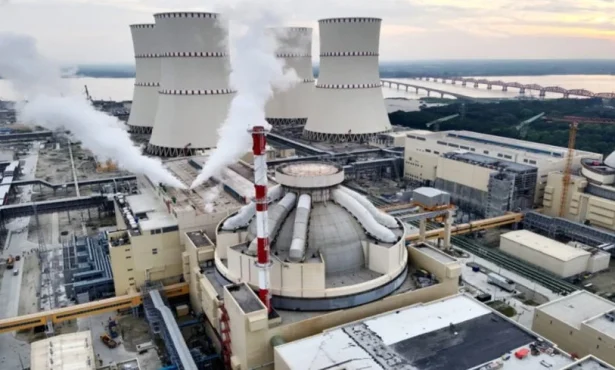
Bangladesh’s first nuclear power plant is being constructed at Rooppur in Ishwardi, Pabna, with financial and technical assistance from Russia. The project comprises two VVER-1200 reactors, each capable of generating 1,200 megawatts. Together, the two units will have a total capacity of 2,400 megawatts.
The first unit must pass several regulatory, technical and safety stages—including the B-2 commissioning licence, criticality, further testing and trial generation—before electricity can be supplied to the grid.
As a result, the earlier target of connecting 300 megawatts from the first unit to Bangladesh’s national grid in August 2026 is no longer achievable.