Play store

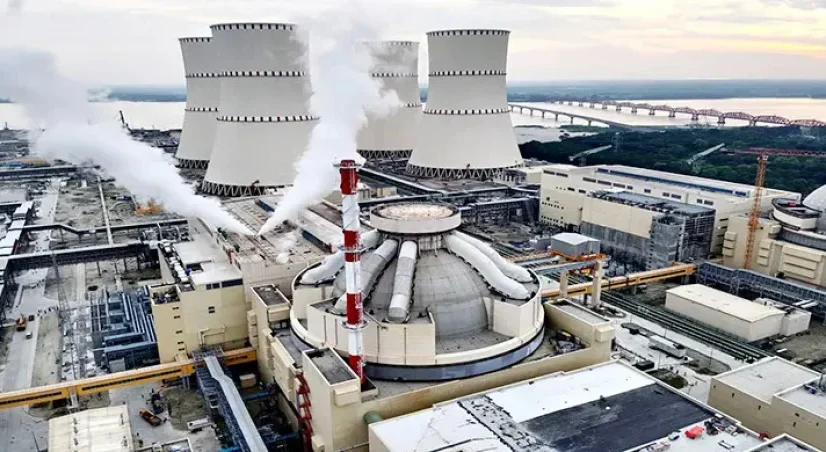
The Rooppur Nuclear Power Plant is targeting electricity supply to the national grid in December, but uncertainty remains over whether it can meet the deadline as the first unit undergoes a series of technical tests and safety checks.
The next phase of the reactor’s power startup is scheduled for October 25, according to project-related sources. The reactor’s power level will then be raised gradually, with an initial supply of around 300 megawatts (MW) possible once it reaches 35 per cent power and completes the required tests and regulatory approvals.
However, any technical problem during testing could delay the planned schedule.
Sources at the Nuclear Power Plant Company Bangladesh Limited (NPCBL) said the reactor’s power level would be increased in stages, with each phase requiring technical tests and verification of key operating parameters.
If the results are satisfactory, the plant could begin electricity generation in the final week of November, potentially paving the way for grid supply in December.
Project sources estimate that raising the reactor’s power level to 35 per cent from the initial startup stage could take around 40 days. The actual duration, however, will depend on test results and technical conditions. If any test fails, the problem must be addressed and the test repeated, potentially delaying electricity generation.
Testing of the reactor’s fission reaction and other technical parameters is under way. The next phase of power startup will proceed after the relevant work is completed and approval is obtained from the Bangladesh Atomic Energy Regulatory Authority (BAERA), sources said.
The reactor’s power level will subsequently be increased gradually to assess the performance of the electricity-generation systems.
In a nuclear power plant, controlled nuclear fission produces heat, which is used to generate steam that drives a turbine connected to an electrical generator.
Starting a nuclear fission reaction does not mean electricity can immediately be supplied to the national grid. The intervening stages require technical verification, equipment testing and safety checks.
According to project sources, the plant is undergoing physical startup activities, including tests of equipment and reactor parameters at low power levels. If the results are satisfactory, the reactor’s thermal power will be increased gradually to prepare for turbine operation.
The turbine, generator and associated electrical systems must also be tested to ensure safe and reliable operation. The necessary regulatory approvals from BAERA remain a key requirement.
Following the power startup, the plant will enter an extended trial-operation phase to assess its performance under different operating conditions.
During this phase, output will be increased and decreased to test the plant’s response. Tests will also examine its coordination with the national grid, the stability of electricity supply and the effectiveness of safety systems.
Project sources estimate that the broader trial-operation phase could take around 10 months. Bangladeshi operators will work alongside Russian contractor specialists during this period to develop expertise in plant operation, technical monitoring and emergency response.
Temporary shutdowns may also be necessary to conduct specific tests.
The estimated 10-month trial-operation period does not mean the country must wait that long for the first electricity supply. Initial grid supply could begin earlier, depending on the commissioning schedule, test results and regulatory requirements.
Project officials say electricity generation could begin by December if the commissioning programme proceeds as planned. However, the timeline remains uncertain because unexpected technical problems during the final stages of testing could require corrective work and additional assessments.
Project-related sources have also expressed reservations about meeting the target, noting that even a relatively minor technical issue could delay the commissioning process.
For a nuclear power plant, a firm date for commercial operation cannot be established until the necessary technical and safety assessments are completed. December therefore remains a target rather than a confirmed deadline, with the final schedule dependent on test results and regulatory clearance.
Meanwhile, a delegation from the International Atomic Energy Agency (IAEA) is scheduled to visit Bangladesh to review the country’s preparedness for nuclear emergencies and assess related safety arrangements at Rooppur, according to project-related sources.
The sources said the IAEA’s Emergency Preparedness Review (EPREV) mission is planned for November 8-18. The review is expected to examine emergency preparedness, coordination and response capabilities in the event of a nuclear incident.
The dates and programme, however, should be confirmed through an official announcement by the IAEA or the relevant Bangladeshi authorities.
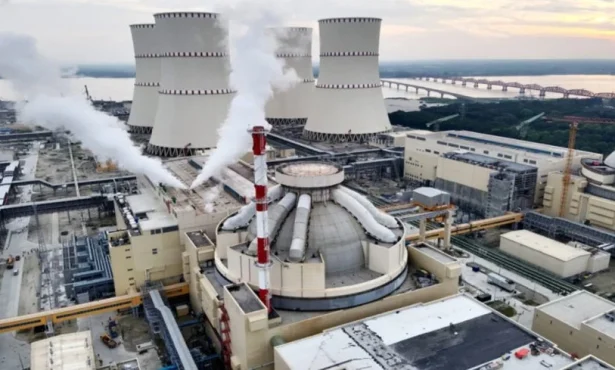
Located in Ishwardi, Pabna, the Rooppur Nuclear Power Plant has two units, each designed to generate 1,200 MW of electricity. Once both units reach full capacity, the plant will have a combined capacity of 2,400 MW.
An initial supply of around 300 MW from the first unit would mark a major milestone in Bangladesh’s introduction of nuclear power into its electricity mix.
However, completing the required technical tests and obtaining all regulatory approvals remain essential to ensuring the safe and reliable supply of electricity to the national grid.