


 Play store

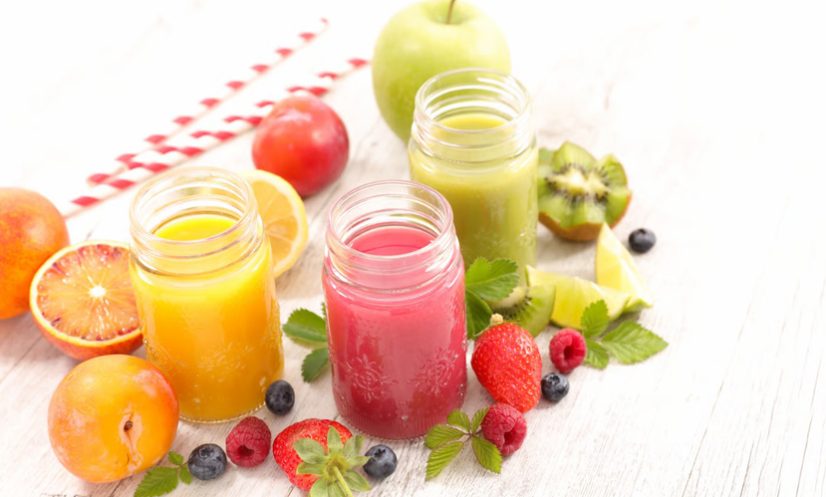
Drinking a daily glass of 100% fruit juice or a smoothie alongside whole fruits and vegetables may help improve mental well-being, according to a study by researchers at Newcastle University in the UK.
The randomized controlled trial involved 42 adults who typically consumed two or fewer portions of fruit and vegetables a day. Participants received support to increase their intake toward the recommended five portions a day.
After four weeks, both groups that received dietary support had increased their consumption of fruit and vegetables. However, those who included a daily glass of 100% fruit juice or a smoothie recorded lower depression scores than participants who relied only on whole fruits and vegetables.
The findings, published in the British Journal of Nutrition, showed that the fruit juice and smoothie group had depression scores 2.52 points lower on a 27-point scale. Researchers described the difference as modest but statistically significant.
Dr Courtney Neal, who conducted the research while at Newcastle University and is now at the University of Liverpool, said many people struggle to reach the recommended five daily portions despite knowing the health benefits.
She said the study showed that targeted financial and educational support could help people overcome barriers to eating more fruit and vegetables. A small glass of 100% fruit juice or a smoothie could provide a simple and relatively affordable way to help people reach the target, she added.
Dietary assessments indicated that participants in both intervention groups increased their daily fiber intake by an estimated 8 to 10 grams. This suggested that adding fruit juice did not discourage participants from eating other fiber-rich fruits and vegetables.
Researchers also reported no adverse effects on metabolic health markers among participants who consumed fruit juice or smoothies during the four-week study, despite concerns about the sugar content of fruit juice.
Dr Oliver Shannon, a lecturer in nutrition and ageing at Newcastle University and a senior author of the study, said the cost of fresh produce can be a significant barrier amid continuing cost-of-living pressures in the UK.
He said the reduction in depression scores among participants consuming fruit juice was promising and warranted further research, particularly among people experiencing poor mental well-being.
The researchers noted that previous studies have also reported possible improvements in brain blood flow and cognitive function after consumption of citrus juices.
However, the study was small and lasted only four weeks, meaning larger and longer-term research will be needed to determine whether the observed improvement in depression symptoms can be consistently reproduced.