


 Play store

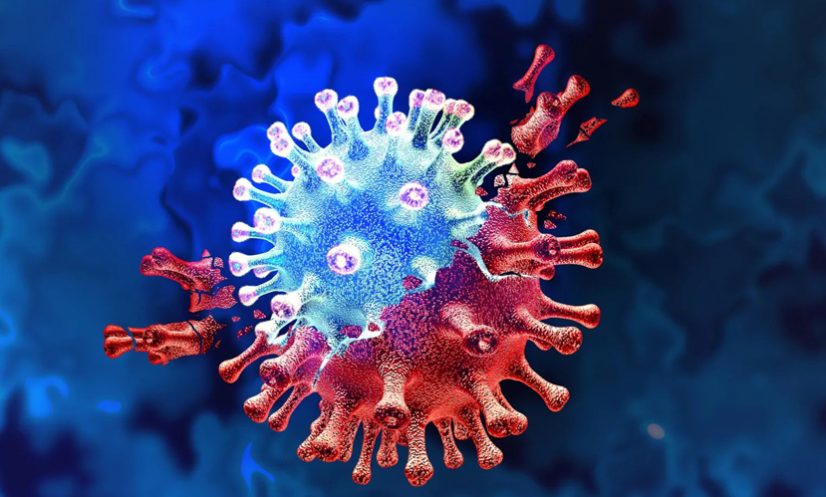
COVID-19 may reactivate viruses that remain dormant in the body for years, potentially contributing to long-term health problems, according to a new study.
Researchers at Boston Children’s Hospital and collaborating institutions found evidence that COVID-19 can trigger the reactivation of several viruses in people hospitalised with the disease. The findings were published in the journal Nature.
Viruses such as Epstein-Barr virus, cytomegalovirus (CMV) and herpes virus are extremely common. They can remain in the body for years without causing symptoms. However, researchers are increasingly studying whether their reactivation may contribute to autoimmune diseases and other chronic conditions.
The study involved 1,154 patients treated at 20 biomedical research hospitals across the United States. Researchers collected more than 200,000 samples and used genomic sequencing to look for evidence of dormant viruses becoming active again.
Within 40 days of hospital admission, the researchers detected the reactivation of 11 viruses. The most frequently identified included Epstein-Barr virus, herpes simplex virus type 1, CMV and viruses from the Anelloviridae family.
One of the most notable findings involved Anelloviridae, a poorly understood group of viruses believed to remain dormant in around 90% of people.
Researchers found a strong association between the reactivation of Anelloviridae and long-term physical disability and long COVID.
Ofer Levy, director of the Precision Vaccines Program at Boston Children’s Hospital and a site principal investigator for the NIH-funded study, said the finding could provide new clues about the biological processes linked to long COVID.
The researchers also found an unexpected pattern involving Epstein-Barr virus and CMV. Their reactivation did not appear to be caused simply by a weakened immune system. Instead, the viruses appeared to become active in response to inflammation.
The researchers said the findings offer new insight into how viruses that persist in the body can respond to severe illness. Further research could help scientists develop better ways to detect, prevent or treat viral reactivation and understand its possible role in long-term health problems.