


 Play store

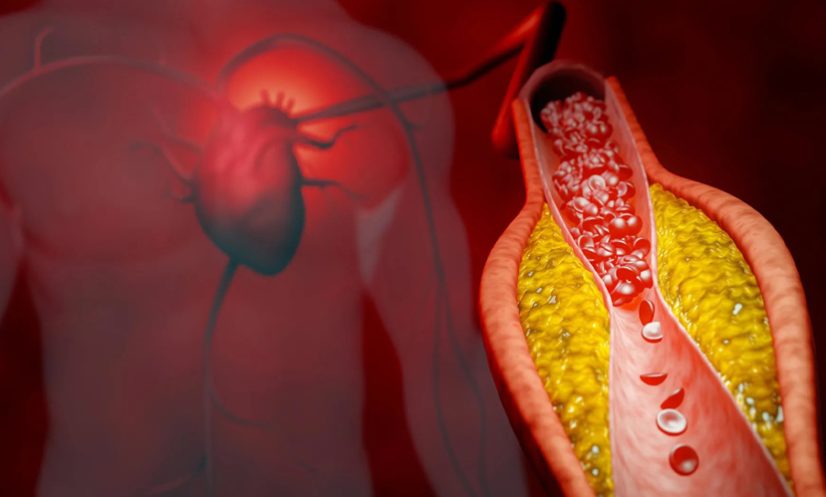
Researchers from the University of Barcelona and the University of Oregon have developed an experimental approach that could offer a new way to lower levels of LDL, or “bad” cholesterol.
The strategy targets PCSK9, a protein that plays a key role in regulating low-density lipoprotein cholesterol (LDL-C). By suppressing PCSK9, the treatment could help cells remove more cholesterol from the bloodstream and reduce the buildup of fatty plaques in arteries.
Unlike statins, the experimental treatment uses molecules known as polypurine hairpins (PPRHs), specially designed DNA molecules that can interfere with the activity of specific genes.
Researchers used two PPRHs, known as HpE9 and HpE12, to reduce production of PCSK9. Both molecules lowered PCSK9 RNA and protein levels while increasing levels of LDL receptors (LDLR), which help cells absorb LDL cholesterol from the bloodstream.
The findings were published in Biochemical Pharmacology. The study was led by Carles J. Ciudad and Verònica Noé of the University of Barcelona’s Faculty of Pharmacy and Food Sciences and Institute of Nanoscience and Nanotechnology, along with Nathalie Pamir of the University of Oregon.
PCSK9 has emerged as an important target in cardiovascular medicine because of its role in cholesterol metabolism. Cells use LDL receptors to remove LDL cholesterol from the blood, while PCSK9 reduces the number of these receptors available on the cell surface.
As a result, higher PCSK9 activity can leave more LDL cholesterol circulating in the bloodstream, contributing to high cholesterol and potentially increasing the risk of atherosclerosis.
The researchers sought to intervene at an earlier stage by reducing activity of the PCSK9 gene itself.
PPRHs are short, single-stranded DNA molecules designed to recognise specific genetic sequences. By binding to their targets, they can interfere with gene transcription and reduce the production of particular proteins.
The study was supported by projects funded by Spain’s Ministry of Science, Innovation and Universities and the US National Institutes of Health.
The findings are experimental and do not establish that PPRH treatment is safe or effective for lowering cholesterol in people. Further research will be needed to determine whether the approach can be developed into a clinical treatment.