


 Play store

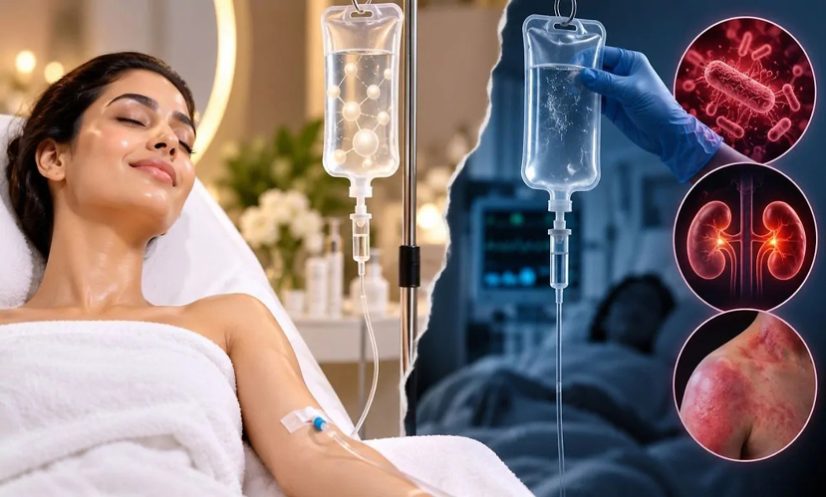
The growing popularity of intravenous (IV) glutathione infusions for skin lightening and anti-ageing is drawing concern from doctors, who say evidence of its effectiveness is limited while contaminated or improperly compounded injectable products can pose serious health risks.
The treatment has gained popularity on social media, with beauty clinics and wellness centres promoting IV glutathione as a quick way to achieve brighter skin. Doctors, however, are questioning both the scientific basis of the treatment and the safety of receiving compounded injections in cosmetic settings.
Hepatologist Dr Cyriac Abby Philips, known online as The Liver Doc, and paediatrician Dr Sivaranjani Santosh recently raised concerns about the trend on social media. Philips warned that IV drip clinics can pose risks when treatments are offered primarily for cosmetic purposes.
A recent systematic review found only one placebo-controlled study of IV glutathione for skin lightening and concluded that the treatment was not suitable for this cosmetic use because of limited evidence of efficacy and concerns over side effects.
Safety concerns have also emerged in the United States. On August 27, 2026, the US Food and Drug Administration (FDA) said it was aware of reports involving at least 30 patients who experienced adverse events after receiving IV glutathione, either alone or with other ingredients. Reported symptoms included fever, chills, pain, dizziness, signs of shock and sepsis-like symptoms, with some patients requiring hospitalisation.
The FDA said the cases were consistent with exposure to excessive levels of endotoxins. It noted that some compounded glutathione products had been made using an ingredient labelled for dietary-supplement use, which is not appropriate for making injectable drugs because such ingredients can contain impurities or endotoxins.
Several compounded glutathione products were recalled in the US in August and September after testing found elevated endotoxin levels. The FDA said such contamination can cause fever, low blood pressure, inflammatory reactions, anaphylactic shock and, in severe cases, death.
Beyond contamination risks, researchers say there is insufficient evidence on the long-term safety and effectiveness of IV glutathione for cosmetic skin lightening. A review published in 2024 also noted serious safety concerns associated with IV administration, including potentially severe adverse reactions, while highlighting the lack of standardised dosing protocols.
Doctors therefore advise people to be cautious about social media claims and cosmetic-clinic promotions for IV glutathione. Anyone considering the treatment should discuss its potential benefits and risks with a qualified medical professional, particularly because the quality and preparation of compounded injectable products can vary.
The concerns do not apply equally to every form of glutathione: research into topical and oral preparations has produced different findings. However, the evidence for IV glutathione specifically as a cosmetic skin-lightening treatment remains limited, while recent US safety reports have highlighted the potential risks of injectable preparations.