Play store

Some commonly used food preservatives may be associated with a higher risk of high blood pressure and cardiovascular disease, according to a large French study.
The research, led by Dr Mathilde Touvier of INSERM and PhD researcher Anaïs Hasenböhler, analysed dietary and health data from 112,395 adults in France who participated in the NutriNet-Santé study.
Preservatives are widely added to processed foods to prevent the growth of bacteria and mould, slow spoilage and maintain colour, flavour and freshness.
Participants recorded everything they ate and drank during three-day periods every six months. Researchers analysed the ingredients in their food and drinks and followed them for an average of seven to eight years to identify cases of high blood pressure and cardiovascular diseases, including heart attack, stroke and angina.
Exposure to preservatives was almost universal: 99.5 per cent of participants consumed at least one food preservative during their first two years in the study.
The researchers found that people with the highest intake of non-antioxidant preservatives had a 29 per cent higher risk of developing high blood pressure than those with the lowest intake. They also had a 16 per cent higher risk of cardiovascular disease.
Those consuming the highest amounts of antioxidant preservatives had a 22 per cent higher risk of high blood pressure.
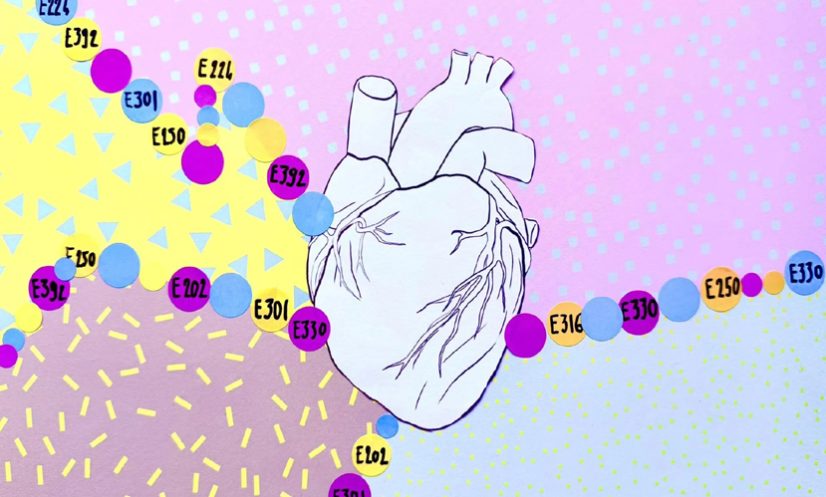
The researchers also examined 17 commonly consumed preservatives and identified eight that were associated with a higher risk of high blood pressure: potassium sorbate (E202), potassium metabisulphite (E224), sodium nitrite (E250), ascorbic acid (E300), sodium ascorbate (E301), sodium erythorbate (E316), citric acid (E330) and rosemary extracts (E392).
Ascorbic acid (E300) was also associated with cardiovascular disease.
The researchers stressed that the findings do not establish that preservatives directly cause high blood pressure or heart disease. The study was observational and therefore identified associations rather than proving cause and effect.
Hasenböhler said the study was the first of its kind to examine links between a wide range of food preservatives and cardiovascular health in humans.
Touvier said the findings have limitations because of the study’s observational design, although the researchers accounted for other factors that could influence cardiovascular risk.
She said the findings support a re-evaluation of the risks and benefits of food additives by regulatory authorities and reinforced existing advice to favour unprocessed or minimally processed foods and avoid unnecessary additives.