


 Play store

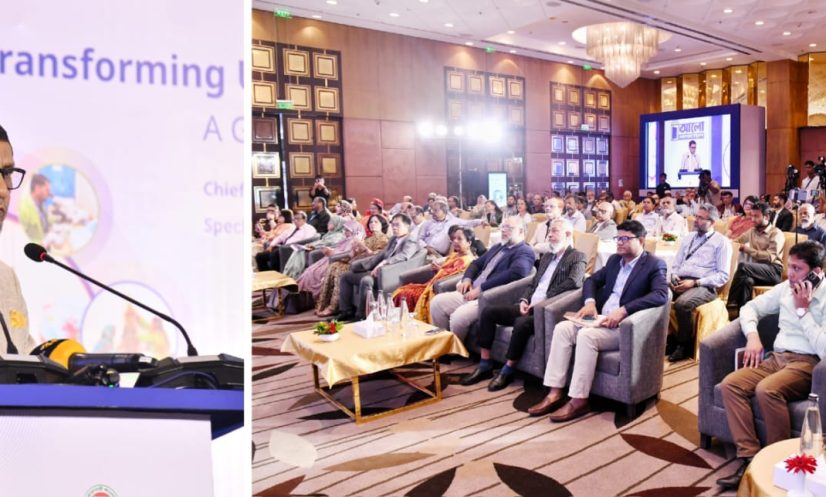
The government is reviewing the possibility of expanding the ‘Alo Clinic’ model nationwide after evidence showed it has significantly improved access to quality primary healthcare for children, women and vulnerable families in underserved urban communities.
The initiative was highlighted at a national dissemination workshop organised by the Directorate General of Health Services (DGHS) in Dhaka on Wednesday, where officials, development partners and health experts reviewed evidence from more than four years of implementation to help shape future urban primary healthcare policies.
Health and Family Welfare Minister Sardar Md Sakhawat Hossain attended the event as the chief guest.
The workshop was jointly organised by DGHS and the Alo Clinic programme with support from the Embassy of Sweden, UNICEF and the PHD organisation.
As Bangladesh’s urban population continues to grow rapidly, many low-income families still face difficulties accessing affordable and quality healthcare. Since 2021, six Alo Clinics established in Dhaka North, Dhaka South, Gazipur and Narayanganj have been providing free, integrated and fully digital primary healthcare services under the government’s Essential Services Package (ESP++).
The clinics offer maternal, newborn and child healthcare, immunisation, nutrition screening, diagnosis and treatment, serving an average of 168 patients daily.
Through community outreach and digital home visits, health workers identify pregnant women, monitor child growth and connect families with essential health services. Four clinics also operate 24-hour midwife-led normal delivery centres, where more than 1,000 safe deliveries have been conducted since January 2025.
According to data from the Urban Health and Demographic Surveillance System (UHDSS), areas covered by the programme have recorded improvements in maternal and child health outcomes, including higher rates of institutional deliveries and lower neonatal, infant and under-five mortality.
Based on these results, the government is considering the Alo Clinic model as an effective approach to strengthening urban primary healthcare and has requested UNICEF to prepare a concept note on its possible expansion.
The government also expressed appreciation for UNICEF’s technical support in developing and implementing the model and acknowledged the financial support provided by the Government of Sweden.
Addressing the workshop, Health Minister Sakhawat Hossain said strengthening primary healthcare remains one of the government’s top priorities.
“Every citizen has the right to quality healthcare regardless of where they live or their financial condition,” he said.
“We must build a healthcare system that is accessible, accountable, people-centred and resilient.”
Referring to the growing health risks faced by low-income and floating populations in urban areas, the minister praised the Alo Clinic model for delivering quality healthcare to disadvantaged communities.
“The way Alo Clinics are providing quality services to underserved urban residents is truly commendable. I will personally visit one of the clinics within the next week to learn from its practical experience,” he said.
The minister said the lessons from the model would be utilised in improving services at the 192 urban health centres recently transferred from city corporations to the Ministry of Health.
He also reaffirmed the government’s commitment to strengthening public healthcare so that people are not forced to rely on expensive private hospitals.
“We do not want a single person in this country to die because of a lack of treatment,” he said. “Healthcare must reach even the people living in the remotest parts of Bangladesh.”
Highlighting other government initiatives, the minister said plans are underway, under the guidance of Prime Minister Tarique Rahman, to introduce kidney dialysis services at upazila health complexes, district hospitals and district medical college hospitals.
He also said the government is working to increase the number of ambulances to ensure patients in remote areas can be transported quickly to advanced medical facilities.
Among those present at the workshop were DGHS Director General Prof Dr Prabhat Chandra Biswas, UNICEF Bangladesh Deputy Representative Emmanuel Abrox, UNICEF Health Chief Dr Malalai Ahmedzai, WHO Representative to Bangladesh Dr Ahmed Jamsheed Mohamed, and representatives from government agencies, development partners and health organisations.