


 Play store

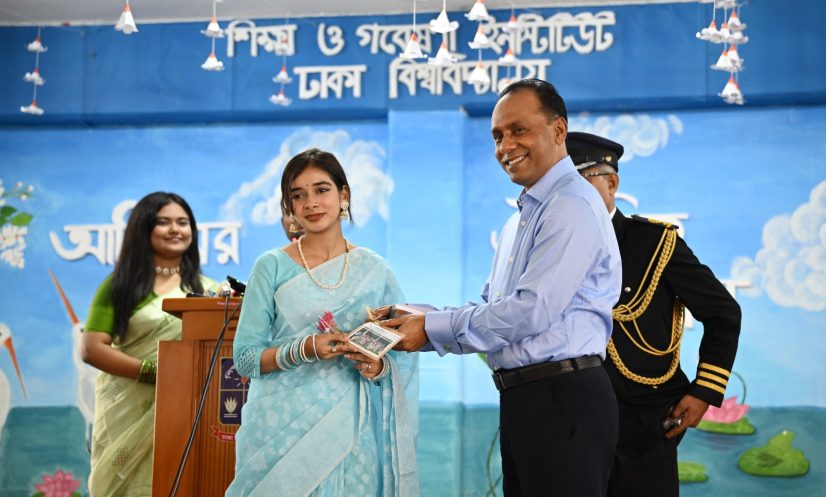
DHAKA: Deputy Speaker of Parliament Barrister Kayser Kamal has said the opposition may form a shadow parliament to strengthen parliamentary democracy and make the Jatiya Sangsad more effective.
Both the ruling and opposition parties must play responsible roles in making parliament functional and accountable, he said, stressing the need for effective reforms and accountability in state institutions to ensure better public services.
He made the remarks as the chief guest at the autumn festival and reception for the 31st batch of new students at the Institute of Education and Research (IER) of Dhaka University on Tuesday.
Recalling his student days at the university, Kayser Kamal said the memories of university life never fade. Returning to the auditorium brought back memories of his own days as a student, he added.
Highlighting the importance of the IER, he described it as a key centre for knowledge, research and the development of skilled human resources. Its students would play important roles as teachers, researchers and contributors to nation-building, he said.
No government can build a developed nation on its own, he added, saying every responsible citizen must contribute to national development from their respective positions.
Addressing the students, the deputy speaker urged them not to limit university life to earning academic degrees. Instead, they should develop their intellectual abilities, ethical values and research skills to become competent, humane and responsible citizens.
He also highlighted the historic role of Dhaka University students in the Language Movement, the Liberation War and anti-autocracy movements, saying they had helped unite people in struggles for their rights.
Emphasising the need to protect democratic gains and civil liberties, Kayser Kamal said freedom of speech and writing, freedom of expression and fundamental rights were essential responsibilities of a democratic state.
Referring to the anti-fascist movement led by students, he said the country must not lose the spirit of the mass uprising.
“We have built a Bangladesh free from fascism through the anti-fascist movement led by you. We have been given a new life. Will we lose the spring again? We do not want the spring to disappear from our country again,” he said, calling for unity to protect democratic progress.
On institutional reforms, the deputy speaker said there was no alternative to reform if the country was to achieve its desired development goals.
He warned that without effective reforms in the bureaucracy, civil administration and other state institutions, the benefits of government development initiatives might not reach people properly. He called for making all institutions transparent, accountable, effective and people-oriented.
Speaking about parliament’s role, Kayser Kamal said the ruling and opposition parties must fulfil their respective responsibilities to strengthen parliamentary democracy. If parliament failed to function effectively, the country could risk going off course again, he cautioned.
He said the opposition had a crucial role in scrutinising government policies and activities, identifying shortcomings and ensuring accountability.
Drawing on the Westminster parliamentary system, he said an effective opposition-led shadow parliament could help consolidate democracy and bring the executive branch under greater scrutiny.
Such a platform could review government policies, cabinet activities and decisions, identify weaknesses, propose alternatives and strengthen parliamentary accountability, he added.
“Whether we belong to the ruling party or the opposition is not the main issue. We are all Bangladeshis. We must come forward and work from our respective positions to build the country,” he said.
Highlighting the students’ future responsibilities, the deputy speaker said they could become teachers, researchers, civil servants, diplomats, judges, journalists, writers, entrepreneurs, policymakers and national leaders.
He urged them to view university life not merely as a period for obtaining a degree but as an opportunity to become capable, humane and responsible citizens.
The programme was chaired by Professor Hosne Ara Begum. Special guests, IER teachers, new and senior students, invited guests, representatives of different university departments, officials of the Parliament Secretariat and media professionals also attended.