


 Play store

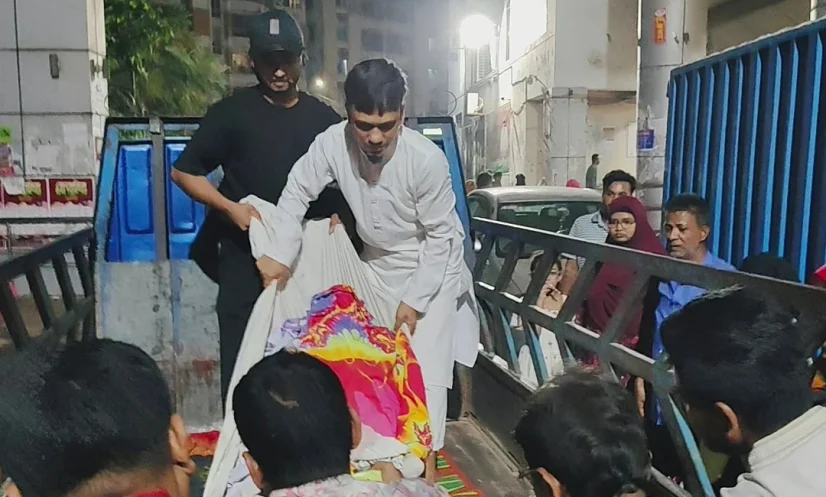
An indefinite strike by private ambulance owners at Dhaka Medical College Hospital (DMCH) entered its second day on Wednesday, causing severe hardship for patients and their relatives, including families struggling to transport deceased patients home.
The strike began on Tuesday morning after a section of ambulance owners demanded permanent parking facilities inside the hospital premises and the introduction of fixed fares.
The disruption has left patients and their attendants struggling to arrange transportation, with the shortage of ambulances particularly distressing for families seeking to take the bodies of deceased relatives home.
On Monday, members of a section of the ambulance owners’ association held a human chain inside the hospital’s garden gate area to press home their demands, including designated parking facilities and a fixed fare structure.
Shahadat Hossain, president of the Dhaka Medical Ambulance Owners Association, said the authorities had stopped them from parking inside the hospital without providing an alternative arrangement.
“As a result, we have to park our ambulances on nearby roads, which leads to problems with the police. That is why we have demanded permanent parking facilities,” he said.
He said ambulance operators had been providing services to patients by parking their vehicles inside the hospital premises for a long time, but the authorities suddenly stopped the practice.
“We have suspended our services in response,” he added.
DMCH Director Brigadier General AKM Farhad Hossain, however, firmly rejected the demand for permanent parking facilities for private ambulances inside the hospital compound.
He said the hospital’s severe space constraints made such an arrangement impossible and that the decision had been taken after discussions with law enforcement agencies.
The director warned that strict legal action would be taken if ambulance operators continued the strike by holding patients hostage or illegally obstructing roads by parking their vehicles.
The standoff has disrupted transport services for patients at one of the country’s busiest public hospitals, leaving vulnerable patients and grieving families facing additional difficulties.