


 Play store

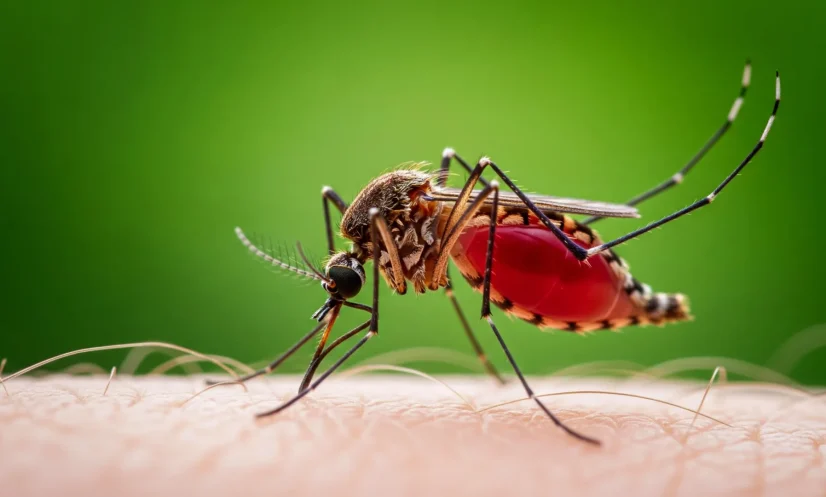
Some people seem to attract mosquitoes wherever they go, but a new study has found that whether someone becomes a target depends largely on the mosquito species doing the biting.
Researchers at Florida International University (FIU) tested three major mosquito species on 119 human volunteers and found that none of the participants attracted all three species. Instead, each mosquito species showed distinct preferences, largely influenced by differences in people’s skin chemistry, natural body odour and skin microbiome.
The findings, published in the journal iScience, could help scientists develop more targeted mosquito repellents and improve efforts to prevent mosquito-borne diseases.
“Isolating the components of human odor that attract or repel mosquitoes could lead to novel strategies to combat vector-borne diseases,” said Matthew DeGennaro, a neurogeneticist who leads the research team and directs FIU’s Biomolecular Sciences Institute.
Led by PhD student Kaylee Marrero, the study was the first to directly compare how multiple mosquito species responded to the same group of human volunteers.
The researchers examined three species responsible for transmitting diseases such as dengue, Zika, yellow fever and West Nile virus: Aedes aegypti, Aedes albopictus and Culex quinquefasciatus.
Each species displayed different preferences.
Aedes aegypti, which typically bites during the day, favoured people who were not wearing added fragrances and whose skin contained lower levels of certain volatile chemical compounds. It also showed a slight preference for men over women.
The Asian tiger mosquito, Aedes albopictus, was more attracted to people whose skin released higher levels of ketones and naturally occurring plant-like volatile compounds.
Meanwhile, the southern house mosquito, Culex quinquefasciatus, which feeds mainly after dark, appeared particularly sensitive to the skin microbiome — the community of bacteria, fungi and other microorganisms living naturally on human skin.
Certain bacterial families appeared to make people more attractive to this species, while others seemed to discourage mosquito bites.
“We didn’t expect the species to prefer different people when we started the study,” Marrero said, adding that the distinct microbial signatures used by each species as cues were particularly surprising.
To understand these differences, researchers collected body odour and skin microbiome samples from volunteers and compared their chemical and microbial compositions with the results of mosquito preference tests.
Human skin releases a complex mixture of more than 1,000 volatile organic compounds, many of which remain poorly understood. The findings suggest that different mosquito species have evolved distinct ways of detecting and interpreting these chemical signals.
“This connected so well with the differences in skin bacteria and odors,” DeGennaro said. “It is clear to me now that our skin microbiomes define our human odor signature. Each species found its own way to decode that signature.”
The findings could pave the way for species-specific repellents by identifying the chemical compounds and microorganisms that attract or repel particular mosquitoes.
Such research may also help public health authorities develop more targeted prevention strategies based on the mosquito species responsible for spreading diseases in different regions.