


 Play store

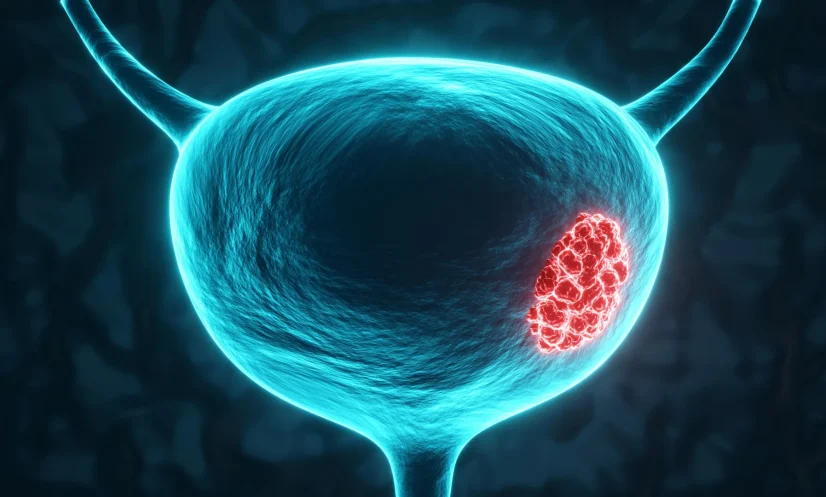
An artificial intelligence (AI) system developed by researchers at the University of Plymouth could help doctors identify people at risk of bladder cancer years before they are diagnosed, potentially improving early detection and reducing unnecessary invasive tests.
The technology analysed electronic health records to identify combinations of symptoms, medical conditions, risk factors and healthcare activity that may indicate the disease. In some patients, it detected subtle warning signs dating back as far as five years before diagnosis.
Bladder cancer kills around 220,000 people worldwide every year. However, early detection is often difficult because its symptoms can resemble those of less serious conditions, including kidney stones and prostate problems.
One of the main warning signs is visible blood in the urine, known medically as haematuria. But the symptom can also result from noncancerous conditions, making it difficult for doctors to determine which patients need further investigation.
Confirming bladder cancer generally requires cystoscopy, an examination in which a thin tube fitted with a camera is inserted through the urethra into the bladder. Although effective, the procedure is invasive, underscoring the need for better ways to identify high-risk patients.
A research team led by Professor Shang-Ming Zhou of the University of Plymouth’s Centre for Health Technology examined medical records of nearly 70,000 patients covering 25 years, from 1995 to 2020.
The researchers developed an AI model called PRECISE-AGZ and assessed 48,261 potential health indicators, including smoking and exercise habits and medication use. The system eventually selected 38 features that were particularly useful in predicting bladder cancer risk.
The model correctly identified 85 per cent of patients with bladder cancer and 91 per cent of those without the disease. It also performed better than existing NHS referral guidelines in detecting the cancer.
The system showed effective detection up to 12 months before a patient’s official diagnosis, while some warning signals could be traced back as far as five years.
Besides established risk factors such as smoking and blood in the urine, the model identified some unexpected associations.
Patients diagnosed with Parkinson’s disease or dementia appeared to have a lower risk of bladder cancer, while long-term use of tamoxifen, a breast cancer drug, was associated with a higher risk.
The researchers cautioned that these associations do not establish that the neurological conditions protect against bladder cancer or that tamoxifen causes it. Further studies are needed to understand the possible biological links.
The significance of blood in the urine also appeared to vary depending on other medical conditions. Among men with benign prostate enlargement, for example, the symptom was associated with a lower risk of bladder cancer.
The model could also classify patients into three risk groups: low risk, with a probability below 7 per cent; an uncertain category, ranging from 7 to 55 per cent; and high risk, above 55 per cent.
If further research confirms its reliability, the approach could help doctors prioritise patients for urgent investigation, monitor those whose risk is uncertain and potentially reduce unnecessary cystoscopies.
Researchers hope the technology will ultimately make bladder cancer assessment more accurate and help identify the disease at a stage when treatment is more likely to succeed.