


 Play store

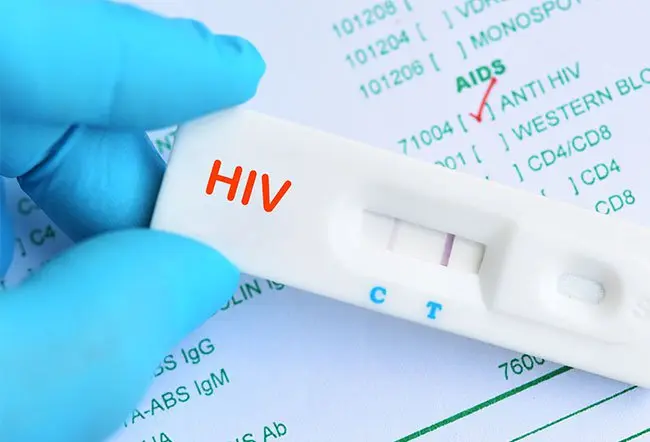
Bangladesh recorded a 22 per cent rise in newly detected HIV infections in 2026 compared to the previous year, with men who have sex with men (MSM) accounting for half of the new cases.
According to the National AIDS/STD Control Programme of the Directorate General of Health Services (DGHS), a total of 2,305 people were newly diagnosed with HIV between November 2025 and October 2026, compared to 1,891 in the previous year.
A total of 2,649,653 people underwent HIV testing and screening through public and private institutions during the period.
Meanwhile, 285 people died of HIV-related causes during the year, up from 254 in the previous year.
Of the newly diagnosed patients, 85 per cent were men, 15 per cent women and around one per cent transgender people, according to the report.
Age-wise, 61 per cent of the newly diagnosed patients were between 25 and 49 years old, while 24 per cent were aged 20 to 24. The remaining 15 per cent belonged to other age groups.
In terms of marital status, 48 per cent were married and an equal proportion were unmarried. One per cent were widowed, while another one per cent were separated or living alone.
The behavioural and occupational breakdown showed that 50 per cent of the new cases were among men who have sex with men (MSM), while 10 per cent were among men who have sex with female sex workers (MSW).
Transgender people and female sex workers accounted for one per cent each, while four per cent were people who inject drugs. Returnee migrants and their family members accounted for 11 per cent, while 18 per cent came from other population groups.
The DGHS has stressed the importance of starting treatment promptly after diagnosis. Of the 2,305 newly diagnosed patients, 87.8 per cent started treatment soon after detection.
Regular antiretroviral therapy (ART) can control the level of HIV in the body and, when viral suppression is sustained, prevent sexual transmission of the virus.
Dr Md Khairuzzaman, director of the National AIDS Control Programme, said the number of newly detected cases had increased by around 22 per cent compared to the previous year. However, he noted that the rise was also linked to an increase in HIV testing.
He said detection rates had remained relatively high among certain population groups, particularly MSM and men who have sex with female sex workers (MSW).
Testing targets for these groups have been increased, he added. Their combined share of newly detected cases rose from 49 per cent last year to 60 per cent this year. A significant proportion of those affected are young people and students, he said, adding that the issue was being taken seriously by the health authorities.
According to DGHS estimates, around 19,843 people are living with HIV in Bangladesh. So far, 16,618 have been diagnosed, leaving an estimated 3,200 people unaware of their infection status.