


 Play store

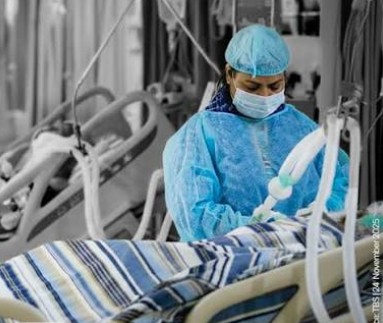
Special Correspondent: More than half of intensive care unit (ICU) patients who initially had no drug-resistant bacteria acquire them during their hospital stay, exposing them to life-threatening infections and extremely high mortality, according to two new studies by the International Centre for Diarrhoeal Disease Research, Bangladesh (ICDDR,B).
The studies, published in the journals Microbiology Spectrum and Antimicrobial Resistance & Infection Control, reveal an alarming burden of difficult-to-treat drug-resistant Gram-negative bacteria in Bangladesh’s critical care units. At the same time, the research shows that strengthening infection prevention and control (IPC) measures can dramatically reduce infections and save lives.
The research analysed data from 373 critically ill adult patients admitted to the ICU of a tertiary government hospital in Dhaka between July 2023 and February 2024, alongside 363 newborns treated in the hospital’s neonatal intensive care unit (NICU) between December 2023 and September 2024.
The studies, funded by the US Centers for Disease Control and Prevention (CDC), focused on difficult-to-treat Gram-negative bacteria that are resistant to commonly used antibiotics, making infections extremely challenging to treat. These bacteria can cause severe pneumonia, bloodstream infections, urinary tract infections and wound infections, particularly among critically ill patients.
Lead author Dr Gazi Md. Salahuddin Mamun, Assistant Scientist at icddr,b, said researchers monitored ICU patients throughout their stay and used advanced laboratory testing and whole-genome sequencing to understand how resistant bacteria spread within the hospital and later developed into serious infections.
“This allowed us to identify links between bacteria carried by patients and those causing subsequent deadly infections,” he said.
The study examined four major hospital-acquired pathogens: Escherichia coli, Klebsiella pneumoniae, Acinetobacter baumannii and Pseudomonas aeruginosa.
Researchers found that 48.5 percent of ICU patients were already colonised with difficult-to-treat drug-resistant bacteria in their intestines when tested. Colonisation means the bacteria are present in the body without causing disease, but affected patients remain vulnerable to infection and can unknowingly spread the organisms within healthcare facilities.
More concerningly, 105 of the 198 patients who were initially free from these resistant bacteria, or 53 percent, acquired them during their ICU stay, indicating significant in-hospital transmission.
The consequences proved devastating. More than 90 percent of patients who developed confirmed infections caused by these difficult-to-treat bacteria died while receiving ICU care.
Researchers said the exceptionally high mortality reflects the combined impact of multidrug resistance, limited treatment options and overcrowded critical care settings where hospital-acquired infections remain difficult to control.
Using whole-genome sequencing, scientists also discovered that in several patients the same bacterial strain carried silently during colonisation later caused life-threatening infections, confirming that seemingly harmless carriage can rapidly progress into severe disease.
Dr Fahmida Chowdhury, Lead of the Antimicrobial Resistance Research Unit at icddr,b and principal investigator of the study, said hospitals should never become places where patients acquire dangerous infections while seeking treatment.
“In our study, more than half of the patients who were initially free from these difficult-to-treat resistant bacteria acquired them during their ICU stay, which is deeply concerning,” she said.
She stressed that stronger infection prevention and control measures, improved hospital hygiene and responsible antibiotic use are essential to protect critically ill patients.
The second study, conducted in the hospital’s neonatal intensive care unit, offered encouraging evidence that effective infection control measures can substantially reduce both infections and deaths.
Researchers introduced a comprehensive infection prevention programme that included regular training for healthcare workers and cleaning staff on hand hygiene, environmental cleaning, waste management and infection prevention, while continuously monitoring compliance and patient outcomes.
After seven months of intervention, bloodstream infections among newborns dropped by 86 percent, falling from 28 to just four cases per 100 admissions. Mortality also declined sharply from 26 to four deaths per 100 admissions.
icddr,b Executive Director Dr Tahmeed Ahmed said the findings present both a warning and a solution.
“These studies reveal a troubling reality: patients are acquiring difficult-to-treat drug-resistant bacteria while receiving care in our hospitals, and the consequences can be devastating. At the same time, they show that strengthening basic infection prevention and control measures can dramatically reduce infections and deaths,” he said.
The researchers urged hospital authorities and policymakers to prioritise infection prevention, hospital hygiene, antimicrobial stewardship, surveillance and responsible antibiotic use as core patient safety measures, describing them as among the most effective tools available to combat antimicrobial resistance and protect vulnerable patients.