


 Play store

What started as a desperate bid to escape mounting debt has left a day labourer from Gaibandha with a missing kidney, a fraction of the promised payment, and a prolonged legal battle.
Montu Mia, a resident of Gobindaganj upazila, was reportedly promised Tk 10 lakh in exchange for donating a kidney to a wealthy patient in Dhaka. The offer, which appeared to be a lifeline amid crushing financial hardship, instead turned into what he now alleges is a case of organised deception and exploitation.
According to a case filed with the Cognisance Court No. 5, Montu received only Tk 50,000 after undergoing surgery in Nepal.
Struggling to support his family, Montu had accumulated debts from NGOs and local lenders. It was during this vulnerable period that a group of brokers approached him with an offer to “solve” his financial problems permanently. Driven by desperation, he agreed.
The accused allegedly arranged his passport and provided Tk 50,000 in advance in early January before transporting him through India to Nepal, where one of his kidneys was surgically removed. After several days of post-operative care, he was sent back to Bangladesh—without receiving the remaining Tk 9.5 lakh promised.
When Montu demanded the rest of the money, the accused reportedly denied any further obligation.
Failing to secure justice through local mediation, he later filed a case. Acting on the court’s directive, Kalai Police Station registered the complaint as a formal First Information Report (FIR).
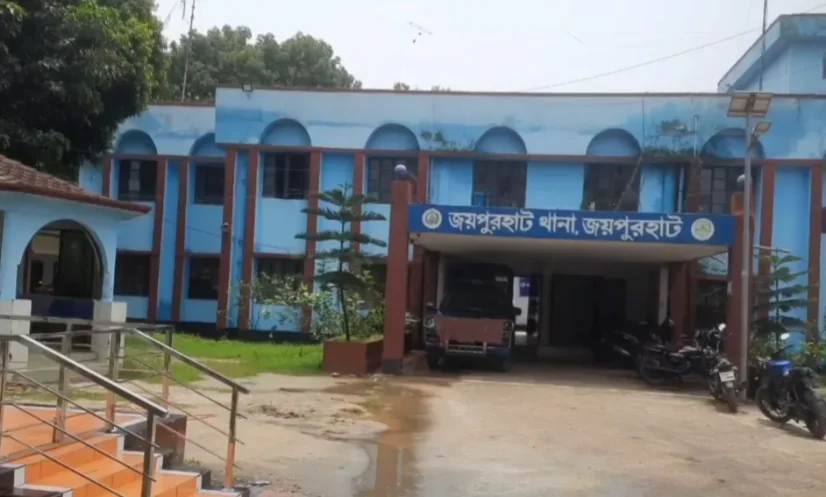
The case names eight individuals and four unidentified suspects, including alleged brokers from Bogura, Joypurhat and Noakhali.
Kalai Police Station Officer-in-Charge Rafiqul Islam confirmed that the case has been officially recorded. “The matter is being investigated seriously, and legal action will be taken against those found responsible,” he said.
Despite existing laws regulating organ transplantation in Bangladesh, illegal trafficking networks continue to exploit economically vulnerable individuals through false promises and coercion. Such operations often span across borders, taking advantage of weak oversight and complex routes.
Legal experts say the case highlights not only criminal activity but also the harsh realities faced by impoverished families burdened by debt.
Advocate Uzzal Hossain of the district judge’s court stressed the need for strict enforcement. “Exploiting poor and helpless individuals through illegal organ trade is a heinous crime. Exemplary punishment is essential to dismantle these networks,” he said.