Play store

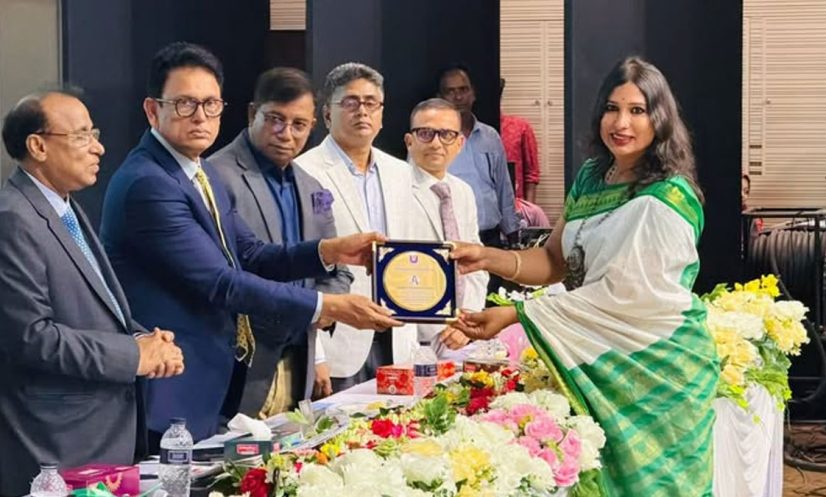
Education Minister ANM Ehsanul Hoque Milon has clarified his recent remarks on transgender issues, saying he had unintentionally used the term “transgender” when he actually meant “third gender”, amid criticism on social media.
In a Facebook post on Friday, the minister said his intention was to encourage the educational participation and academic achievements of people belonging to the third gender community.
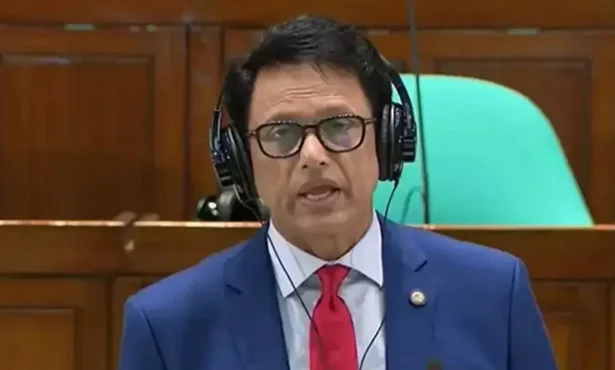
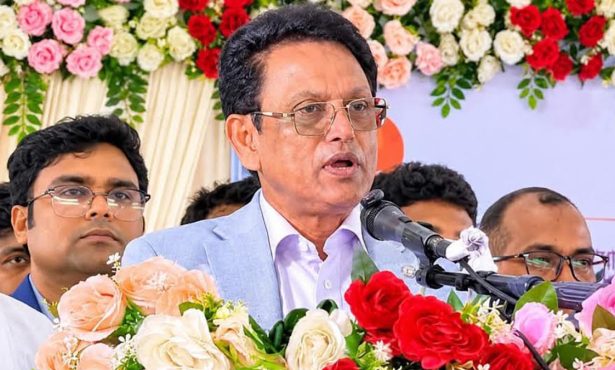
The controversy began after Milon spoke about transgender issues at a programme marking the 34th founding anniversary of Bangladesh Open University (BOU) on Wednesday.
Addressing the event as the chief guest, he called for more campaigns on the issue, saying Bangladesh was part of a “global village” and should not treat such matters as taboo.
“We need more campaigns on transgender issues. We do not want to remain confined by taboos,” he said.
A video clip of his remarks subsequently circulated on social media, triggering criticism, particularly over his use of the term “transgender” and his call for awareness campaigns on the issue.
Responding to the criticism, the minister explained that a third-gender student had received a degree at the university’s anniversary programme. He said he had referred to the student’s achievement while speaking about the importance of encouraging educational opportunities for the community.
“At that day’s programme, a third-gender student received a degree. Welcoming this achievement, I spoke about encouraging the participation of people belonging to the third gender community in education,” he wrote.
Milon also highlighted the discrimination, deprivation and negative attitudes that people from the third gender community continue to face in society. He said his main objective was to encourage them to overcome these barriers and pursue education.
Clarifying his choice of words, the minister said, “While referring to the third gender, I unintentionally used the word ‘transgender’. The term I intended to use was ‘third gender’.”
He also expressed respect for the religious values and sentiments of the people of Bangladesh, reiterating that his remarks were intended to promote educational opportunities and recognise the academic achievements of the third gender community.