


 Play store

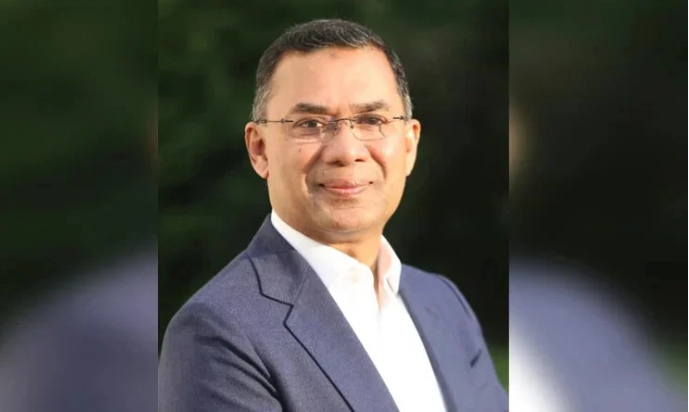
CHATTOGRAM — Prime Minister Tarique Rahman has urged BNP leaders and activists to prioritise public welfare, uphold law and order and fulfil the party’s electoral pledges to build a “New Bangladesh”.
He made the call while addressing an organisational meeting of the BNP’s Chattogram metropolitan, north and south district units and its affiliated and associate organisations at Radisson Blu in Chattogram on Tuesday night.
The prime minister emphasised the need to meet public expectations, maintain discipline, strengthen organisational unity and prepare for the upcoming local government elections.
He also called for recognising the sacrifices of party leaders and activists who continued their political activities despite adversity and pressure over the past 17 years.
Tarique Rahman joined the meeting at around 9:30pm after visiting the Durga Puja mandap at JM Sen Hall in the city, where he exchanged greetings with members of the Hindu community.
The meeting was chaired by Chattogram Metropolitan BNP Convener and Chattogram-8 lawmaker Ershad Ullah and conducted by the unit’s Member Secretary Nazimur Rahman.
BNP Acting Secretary General Ruhul Kabir Rizvi Ahmed, Finance and Planning Minister Amir Khosru Mahmud Chowdhury, Home Minister Salahuddin Ahmed, State Minister for Land Mir Mohammad Helal Uddin and lawmakers from Chattogram attended the meeting. More than 500 party leaders and activists were present.
The prime minister said the BNP had championed democracy and people’s rights while in opposition, and fulfilling public expectations had now become its foremost responsibility as the party was in power.
“The promises we made to the people before the election must be implemented sincerely. Making promises alone is not enough; we must turn them into reality. We must give priority to education, health, law and order and public welfare activities,” he said.
He stressed that party leaders and activists needed to understand people’s aspirations, expectations and the problems affecting their daily lives.
“They must listen to the people and take initiatives to resolve their problems. The behaviour of party leaders and activists must be such that ordinary people receive cooperation and services from them,” he said.
Warning against activities that could provoke public resentment or damage the party’s image, Tarique Rahman urged leaders and activists to place public welfare above personal interests.
“Earning people’s trust and affection is essential for the success of our political activities,” he said.
He also called on party members to stand against injustice and help prevent crime in their respective areas, stressing their role in improving law and order and ensuring public safety.
However, he cautioned that party leaders and activists must not take the law into their own hands under any circumstances.
“They must work in coordination with the administration, law enforcement agencies and relevant institutions,” he said, adding that helping maintain public safety and resolve local problems was among their key responsibilities.
Recalling the challenges faced by party leaders and activists over the past 17 years, Tarique Rahman said their sacrifices and contributions should be recognised. He urged them to learn from past experiences and carry out their responsibilities more effectively.
Referring to the upcoming local government elections and the prevailing political situation, he called on party members to remain vigilant and respond responsibly to any conspiracy or misinformation.
He also stressed the need to strengthen organisational activities and maintain unity in implementing party decisions. Leaders, he said, should carefully assess local circumstances and ground realities before making decisions.
The prime minister underscored the importance of involving party leaders and activists in local organisational activities and taking their views into consideration.
“No decision should be taken by bypassing the president, general secretary or other responsible leaders of a local unit. Decisions must be made through discussions and coordination with local leadership,” he said.
Acknowledging that differences of opinion within a political party were natural, he said such differences should be resolved through dialogue and mutual understanding.
“We must not create any situation within our own ranks that could give political opponents an opportunity to exploit it. Divisions among party leaders and activists will hamper organisational activities,” he said.
He urged leaders and activists to sit together, identify their problems and find mutually acceptable solutions, stressing that internal unity and coordinated action were essential to strengthening the party’s organisational capacity and fulfilling its commitments to the public.