


 Play store

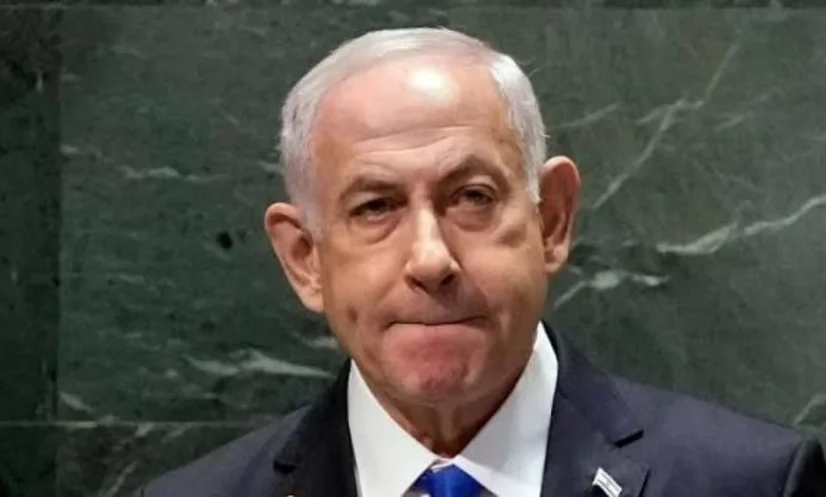
Israel’s political landscape may be heading for an unprecedented shift, as Prime Minister Benjamin Netanyahu’s longtime ally, the ultra-Orthodox religious party United Torah Judaism (UTJ), has signalled its intention to withdraw from the government.
A special report by Israeli news outlet Channel 12 recently revealed that the party is considering ending its political partnership with Netanyahu and offering outside support to a new government led by opposition leader Gadi Eisenkot. If the proposed arrangement materialises, Netanyahu’s longstanding dominance of Israeli politics could face a serious challenge.
Under the proposed political arrangement, UTJ would not directly join Eisenkot’s new cabinet. Instead, its lawmakers would abstain from voting on key bills and parliamentary motions, helping Eisenkot’s minority government remain in power.
UTJ currently holds seven seats in the Knesset. If the party withdraws its support from Netanyahu, his coalition’s strength would fall to just 46 seats, fewer than Eisenkot’s 48. The political realignment could also open the door for the opposition bloc to secure support from the Islamist party Ra’am, which holds eight seats.
UTJ is deeply frustrated with Netanyahu for failing to pass legislation exempting students at religious seminaries, known as yeshivas, from mandatory military service. According to sources within the party, its political alliance with Netanyahu is nearing its end, and it sees little prospect of gaining further concessions from him as he no longer commands a parliamentary majority of 61 seats.
Moreover, the party fears being pushed into opposition if a national unity government is formed in parliament. To protect its political influence and future, it is therefore strategically moving closer to Eisenkot.
However, the biggest obstacle to the proposed arrangement is the issue of military conscription. Opposition leader Gadi Eisenkot has consistently opposed granting blanket exemptions from military service to ultra-Orthodox students. Nevertheless, several UTJ leaders are optimistic that negotiations could produce a compromise.
Under the proposed plan, religious lawmakers could stage symbolic protests against a draft conscription bill but abstain from voting on it while aligning themselves with the opposition bloc, thereby avoiding any damage to the proposed government’s stability.
Meanwhile, UTJ’s senior religious leaders have made it clear that they no longer trust Netanyahu’s right-wing coalition. They are prepared to support any political leader who offers a concrete commitment to exempting religious students from military service, subject to the approval of their spiritual authorities.
Although Eisenkot’s party, Yashar, has yet to issue an official response to the proposal, preliminary discussions between the two sides have reportedly begun.
If the initiative succeeds, the proposed political realignment could significantly undermine Netanyahu’s government’s parliamentary position. Source: The Times of Israel.