Play store

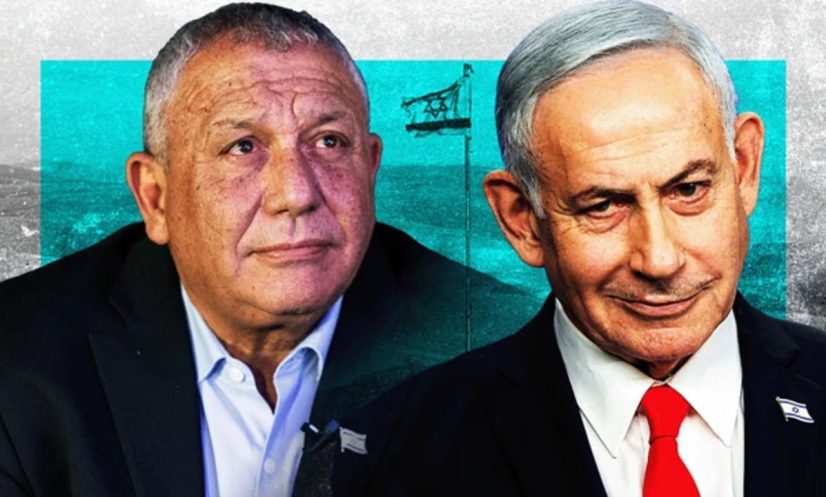
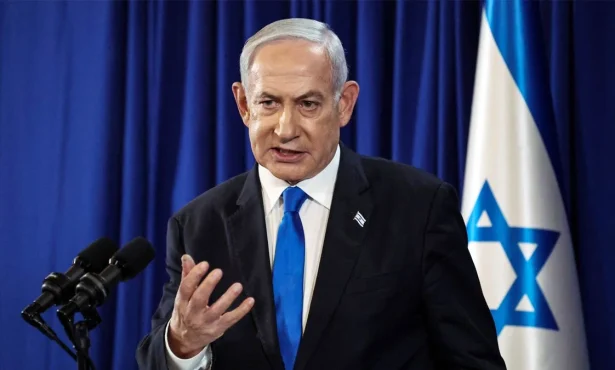
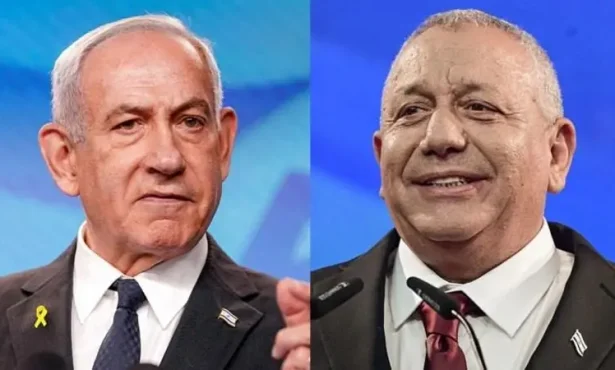
Gadi Eisenkot, leader of Israel’s Yashar party, and Yair Golan, chairman of the Democrats party, have agreed to sign a coalition agreement as part of efforts to form a new government and end Prime Minister Benjamin Netanyahu’s rule.
The agreement, announced in a joint statement on Thursday (November 26), marks a significant step towards consolidating the opposition’s efforts to replace Netanyahu.
It came just days after Golan suspended negotiations with Eisenkot over the latter’s parallel talks with Netanyahu’s Likud party on the possibility of forming a national unity government.
Under the agreement, the Democrats will receive four ministerial portfolios, including internal security, labour and social welfare, communications, and culture and sports.
The party will also chair the Knesset’s Constitution, Law and Justice Committee and have representation on the Judicial Selection Committee.
The agreement also includes commitments to reverse Netanyahu’s controversial judicial overhaul, safeguard judicial independence and strengthen Israeli democracy.
Golan said the parties had promised voters to replace Netanyahu and protect democracy, adding that they were determined to fulfil that commitment.
Eisenkot has also reached a coalition agreement with Avigdor Lieberman’s Yisrael Beiteinu party, bringing the total strength of his prospective coalition bloc to 36 seats in the 120-member Knesset.
However, the bloc remains short of the 61 seats required to secure a parliamentary majority.
Eisenkot is therefore seeking support from additional political groups, including the ultra-Orthodox United Torah Judaism (UTJ) and Shas parties, as well as potential backing from Arab-led parties.
Ra’am leader Mansour Abbas has indicated that his party could participate in an Eisenkot-led government, while the Joint List has expressed willingness to provide parliamentary support from outside the coalition.
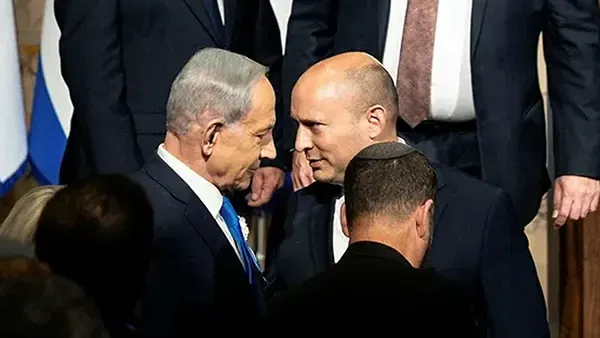
Meanwhile, former prime minister Naftali Bennett continues to advocate a national unity government involving Netanyahu’s Likud, arguing that all options should be explored before forming a government dependent on Arab parties.
The latest agreement has strengthened Eisenkot’s position in the race to form Israel’s next government, although significant political hurdles remain.
Eisenkot, who was tasked by President Isaac Herzog with forming a government, has until December 6 to complete the process, with the possibility of requesting a 14-day extension.