Play store

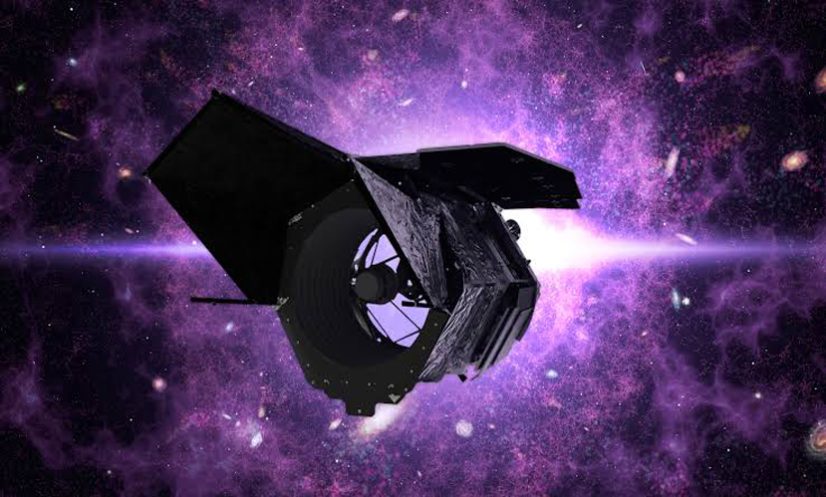
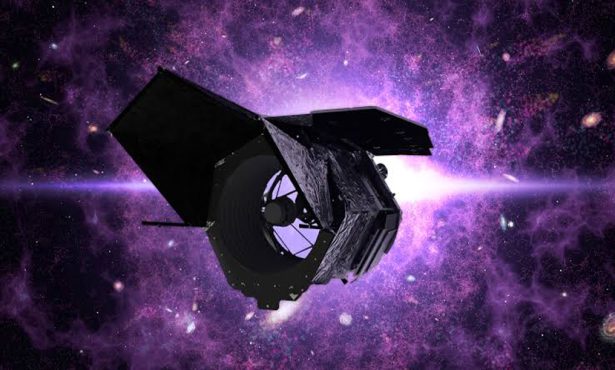
NASA’s Nancy Grace Roman Space Telescope could remain operational for more than twice its originally planned lifetime after an exceptionally precise first course correction helped conserve a significant amount of fuel.
The observatory was designed for a five-year primary mission and a possible five-year extension. But NASA now estimates that Roman has enough propellant for at least 22 years of science operations, provided its other systems remain healthy.
Roman completed its first mid-course correction on Aug. 31 as it adjusted its trajectory toward its eventual orbit. The manoeuvre was carried out with more than 99% accuracy and used only about 40 pounds (18 kilograms) of fuel, far below the 441 pounds (200 kilograms) originally allocated for the burn.
NASA said the fuel savings from the first manoeuvre alone could add roughly four years to Roman’s potential operating lifetime.
The spacecraft also launched with considerably less mass than the maximum weight used in its original fuel calculations. Roman weighed about 17,760 pounds (8,056 kilograms), compared with the 21,605 pounds (9,800 kilograms) maximum used by engineers when determining its propellant requirements.
The lower mass reduced the amount of fuel needed for course corrections and allowed engineers to fill the spacecraft’s propellant tanks to capacity. NASA estimates the additional fuel could provide another four years of potential operations.
Further savings are expected from Roman’s second mid-course correction and its orbital-insertion manoeuvre.
“As a result of exquisite planning by our orbital dynamics team, brilliant execution by the operations team, and a precise launch from SpaceX, Roman has fuel for at least 22 years of potential science operations,” said Jamie Dunn, director of NASA’s Goddard Space Flight Center.
Roman’s extended lifetime could significantly increase the amount of data it collects on the universe. The telescope is designed to study dark energy and dark matter, investigate exoplanets and survey billions of cosmic objects.
NASA stressed that the 22-year figure represents potential science operations based largely on the spacecraft’s current propellant reserves. The actual lifetime will also depend on the health and performance of Roman’s instruments, spacecraft systems and other consumables.