


 Play store

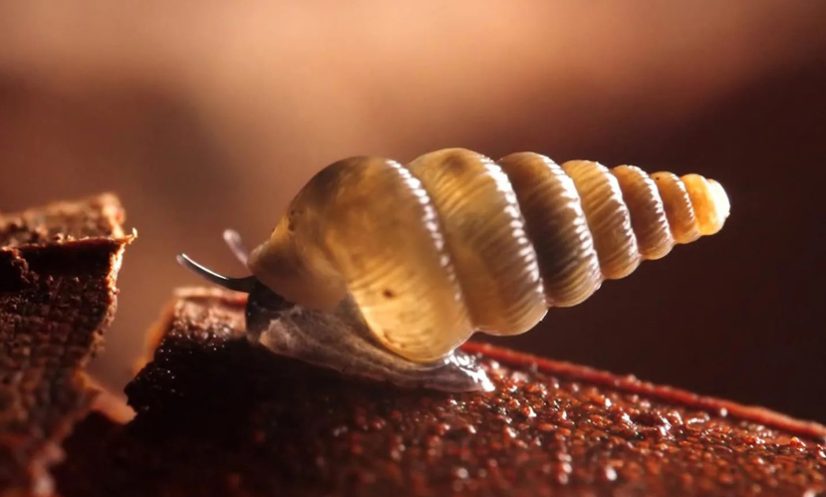
Two previously unknown land snail species have been identified in the mountains of Montenegro, expanding the known diversity of European snails.
The species, named Cochlostoma komarnica and Cochlostoma dobrido, are described in a new study published in the open-access Biodiversity Data Journal.
Both species are small, with cone-shaped shells about 6 millimetres long. They live on limestone rocks and feed on algae and lichens.
The snails have some unusual features. Unlike most land snails, their eyes are located on the sides of their heads rather than at the ends of stalks.
They also have a circular disk attached to their tails. The disk can close the opening of their shells when they retreat inside.
Found during field expeditions
The new species were discovered during expeditions in Montenegro organised by Taxon Expeditions, which allows members of the public to participate in scientific fieldwork.
Between 2018 and 2025, teams from Taxon Expeditions, the Taxon Foundation and the Montenegrin Ecologists Society explored parts of Durmitor National Park and Komarnica Canyon.
The expeditions brought together scientists, citizen researchers, students and conservationists.
The snails were found at several locations in the rugged mountain region. Researchers initially did not know that they represented species new to science. This was confirmed after the animals were dissected and genetically analysed in a field laboratory.
Named after local places
The expedition participants selected the names through a vote at their camp.
Cochlostoma dobrido was named after the Dobri Do Plateau in Durmitor National Park. Cochlostoma komarnica was named after Komarnica Canyon, south of Durmitor.
“It is amazing that it is still possible to discover new animal species in Europe,” said Dutch musician Janine Buisman, who took part in one of the expeditions and later became a co-author of the study.
Biologist Jovana Đokic of the Montenegrin Ecologists Society said the canyons, mountains and gorges of the region contain rich biodiversity that remains poorly explored.
She said many species in the area may still be waiting to be documented.