


 Play store

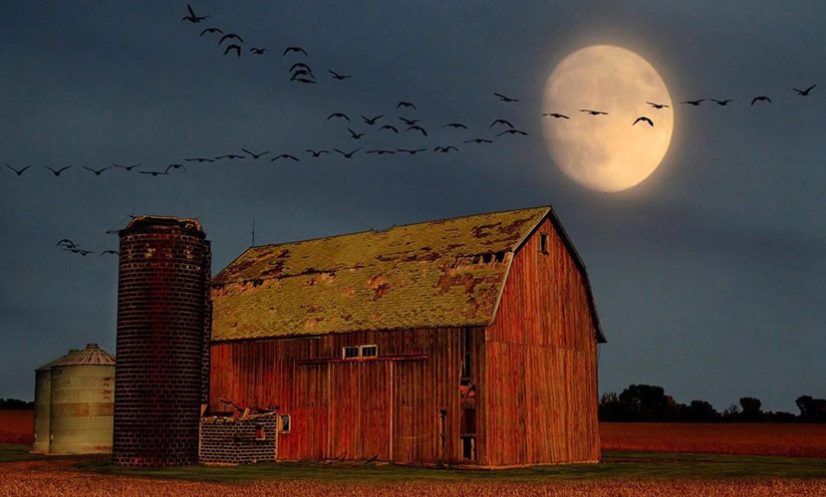
September promises a busy month for skywatchers, with Venus reaching peak brilliance, the Moon passing near the bright star Antares, the September equinox and a Harvest Moon appearing close to Saturn and Neptune.
The month offers several opportunities to explore the evening sky, with the Moon serving as a guide to some of the most recognisable stars and features of the Milky Way.
From September 14 to 20, the Moon will help skywatchers locate several notable celestial sights. About an hour after sunset, observers should look toward the southern sky and locate the Moon.
As the Moon moves across the sky from one evening to the next, it will pass close to Antares, a bright reddish star that marks the heart of the constellation Scorpius.
Nearby, in Sagittarius, skywatchers can spot a distinctive group of stars known as the Teapot. Its stars form a shape resembling a teapot, complete with a handle, lid and spout.
Under dark skies, observers may also see a faint, cloudy band appearing to rise like steam from the Teapot’s spout. Following this glow toward its densest region points toward the centre of the Milky Way galaxy.
Venus will reach peak brightness during its current evening appearance on September 18.
The planet should be easy to spot shortly after sunset as an exceptionally bright point of light low in the western sky. It will shine brighter than any nearby star.
A clear, unobstructed view of the western horizon will provide the best chance of seeing Venus before it sets.
September 19 will mark International Observe the Moon Night, when people around the world are encouraged to observe Earth’s nearest celestial neighbour and learn more about lunar science, exploration and the Moon’s influence on human cultures.
The September equinox will occur on September 22, marking the beginning of autumn in the Northern Hemisphere and spring in the Southern Hemisphere.
Later in the month, on September 26, the Harvest Moon will rise near Saturn and Neptune, providing another notable sight for skywatchers.
Together, these events make September an especially eventful month for observing the night sky.