


 Play store

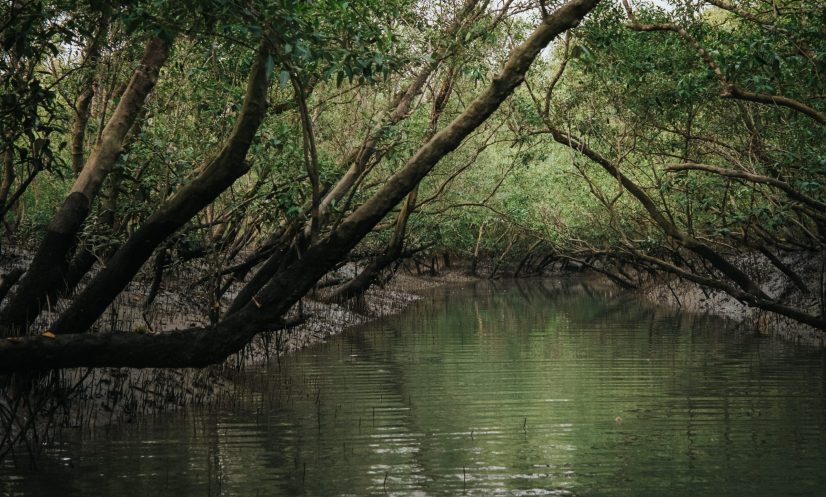
After decades of losses caused by coastal development and extreme weather, the world’s mangrove forests are making a comeback, according to a new satellite-based study.
Researchers from Tulane University found that global mangrove cover has been expanding since 2010, reversing a decades-long decline that began in the 1980s. Lead author Zhen Zhang said the findings suggest that conservation, restoration projects, and the forests’ natural ability to regenerate are driving the recovery.
Using NASA’s Landsat satellite imagery, the team discovered that about two-thirds of the expansion occurred in newly formed coastal areas, while the remainder came from regrowth in previously lost forests.
Mangroves play a vital role in protecting coastlines from storms and flooding, supporting fisheries, and storing large amounts of carbon, making them crucial in combating climate change.
Despite the encouraging trend, the study warned that mangrove losses continue in parts of West and Central Africa, while extreme weather events and rising sea levels remain major threats.
Independent biologist Heather Stewart of the U.S. Fish and Wildlife Service welcomed the findings but cautioned that global mangrove cover is still below 1980s levels. She noted that newly established mangroves cannot fully replace mature forests, which store more carbon, provide stronger coastal protection, and support richer biodiversity.
Both researchers stressed that reducing deforestation and protecting mature mangrove forests remain essential to securing the long-term future of these valuable coastal ecosystems.