Play store

An Argentine television programme has ignited fresh controversy by publishing a list of prominent international figures it claims conspired against Argentina during the FIFA World Cup, following the national team’s 1-0 defeat to Spain in the final.
The loss denied Argentina another world title and prompted a wave of conspiracy theories on social media, where many supporters alleged that the Albiceleste had faced biased treatment and unfair decisions throughout the tournament.
Adding fuel to the debate, the Argentine current affairs programme Todo Noticias released what it described as a list of 10 individuals who had allegedly promoted anti-Argentina narratives during the World Cup.
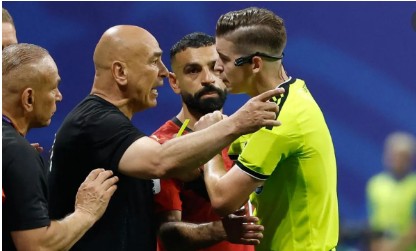
Heading the list was Egypt head coach Hossam Hassan, whose side was eliminated by Argentina 3-2 in the Round of 16. After the match, Hassan criticised the officiating and suggested that football authorities favoured Lionel Messi and Argentina.
Speaking to beIN Sports, he said Egypt deserved a penalty, had a legitimate goal disallowed and questioned whether decisions were influenced by marketing interests aimed at extending Messi’s participation in the tournament.
British broadcaster Piers Morgan also featured on the list after criticising Argentina’s conduct during the competition. In a post on X, Morgan described the team’s behaviour as “disgraceful,” singled out midfielder Leandro Paredes, and labelled Argentina “a violent team and a disgrace to football.”
Responding to Morgan’s comments, programme host Jonathan Viale questioned the credibility of the criticism, saying viewers should not take such remarks from an English journalist seriously.
The programme also included Hollywood actor Samuel L. Jackson, alleging that his previous remarks describing Argentina as one of the world’s most racist countries reflected an anti-Argentina stance.
Other names on the list included New York City mayor Zohran Mamdani, Mexican President Claudia Sheinbaum, Spanish singer Rosalía, Chilean-American actor Pedro Pascal, and internet personality IShowSpeed, who is widely known for supporting Cristiano Ronaldo. His celebrations after Spain’s victory and online exchanges with Argentine fans were cited as evidence of anti-Argentina sentiment.
The report has generated widespread debate across social media. While some supporters viewed it as a legitimate defence of Argentina against persistent criticism, others dismissed it as an exaggerated attempt to portray routine criticism and differing opinions as part of an organised campaign against the national team.