


 Play store

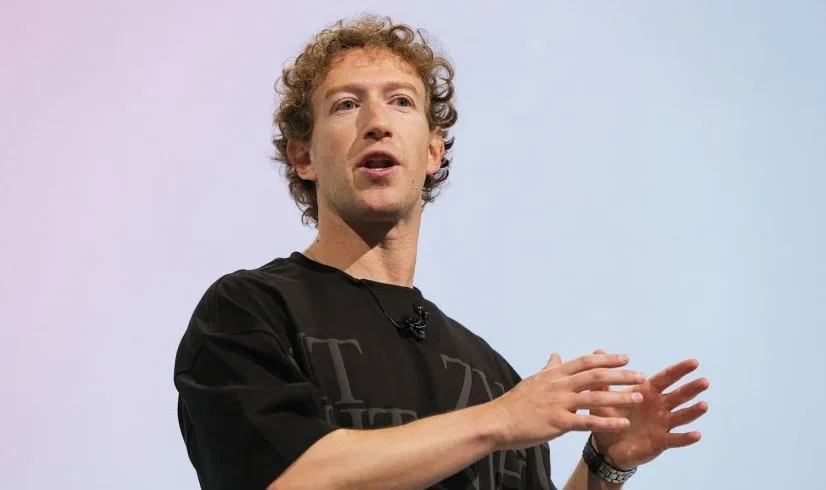
Meta founder and Chief Executive Officer Mark Zuckerberg has predicted that billions of people around the world will have their own personal artificial intelligence (AI) agents within the next five years, describing them as digital assistants that will understand users’ goals and preferences and work on their behalf around the clock.
Speaking during Meta’s recent quarterly earnings call with investors, Zuckerberg said personal AI agents would become an integral part of daily life by automating a wide range of routine and complex tasks.
According to him, these AI agents will help users manage personal finances, coordinate healthcare, maintain communications, and handle household and family-related responsibilities. He said the technology would enable people to delegate many everyday activities to AI, making life more efficient and productive.
Zuckerberg also said messaging platforms such as WhatsApp and Messenger are expected to become key interfaces for interacting with multiple AI agents. Meta said more than one million businesses worldwide have already adopted its Business AI agents on WhatsApp and Messenger.
To support the growing demand for AI-powered services, Meta is making significant investments in infrastructure. The company has signed a major agreement with global investment firm BlackRock to develop a $14 billion mega data centre in El Paso, Texas, aimed at ensuring sufficient computing power and electricity for future AI operations.
While rivals such as Google and Anthropic are focusing on AI-powered search and coding assistants, Meta is positioning personal AI agents as the foundation of its long-term business strategy, alongside selling AI computing capacity.
Despite Zuckerberg’s optimism, investors remain cautious about the company’s massive AI spending.
Meta’s free cash flow plunged 91 per cent year-on-year to $784 million in the latest quarter from $8.55 billion a year earlier, largely due to heavy investment in AI infrastructure and research.
Meanwhile, the company’s Reality Labs division, which develops virtual reality technologies and VR headsets, posted a quarterly loss of about $4.6 billion. Cumulative losses at the division have reached approximately $88 billion since 2021.
Following the release of the financial results, Meta’s shares fell nearly 10 per cent in after-hours trading, reflecting investor concerns over the scale of its long-term investments.
Nevertheless, Zuckerberg said he remains confident that personal AI agents will emerge as Meta’s next major platform and a key driver of future revenue growth.