


 Play store

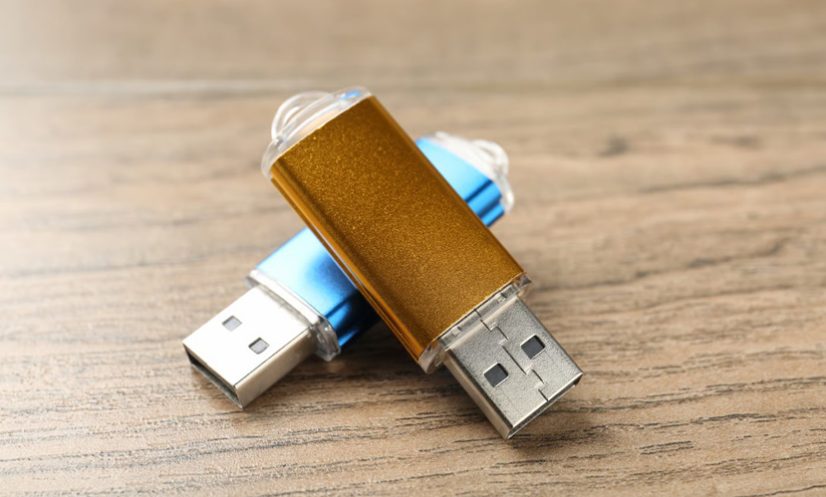
For more than two decades, USB flash drives, commonly known as pendrives, have been one of the most convenient ways to store and transfer personal data. But the rapid growth of cloud storage, high-capacity SSDs and the increasing size of modern files had led many to believe that the humble storage device was nearing the end of its useful life.
The rise of artificial intelligence, however, is creating an unexpected opportunity for pendrives to make a comeback.
Pendrives became popular after replacing floppy disks as an easy way to carry and exchange files. Their compact size, low cost and plug-and-play convenience made them a standard accessory for students, office workers and computer users.
Their popularity declined as demand grew for 4K videos, large files and faster data-transfer speeds. SSDs, or solid-state drives, emerged as the preferred choice for users requiring greater capacity and performance.
A typical pendrive offers capacities of around 128GB or higher, while SSDs can provide one terabyte or more of storage. Their significantly faster speeds and durability have made SSDs particularly popular among IT professionals, content creators and other users handling large amounts of data.
But the rapid expansion of AI has changed the storage market.
The growth of AI applications has triggered a massive increase in demand for storage and memory in data centres. As technology companies expand their AI infrastructure, demand for high-performance storage devices, including SSDs, has surged, pushing up prices in the global market.
Recent market data suggest that the price of a good-quality 4TB SSD has risen more than threefold in some markets. Pendrive prices, meanwhile, have remained comparatively affordable and stable.
That price gap is making flash drives attractive again for consumers who do not require huge storage capacities or extremely high transfer speeds. For users who mainly need to carry documents, presentations, photographs and other relatively small files, a low-cost pendrive can offer a practical alternative to an expensive SSD.
Search interest also appears to be reflecting the renewed attention. Google Trends data indicate that online searches for pendrives have increased recently, suggesting that consumers are once again considering the devices as a useful storage option.
Pendrives also retain advantages that are unrelated to price. They remain widely used for creating bootable drives to install Windows and other operating systems. Computer technicians frequently use them to carry diagnostic and repair tools, while their small size makes them easy to carry on a key ring or in a pocket.
For users who need fast storage for video editing, gaming or other data-intensive work, SSDs remain far superior. But not every user needs that level of performance.
The AI-driven rise in storage costs is therefore giving pendrives a new role in the market. Rather than disappearing as technology advances, the inexpensive and portable device appears to be finding a new niche among cost-conscious consumers.
The pendrive may no longer dominate the storage market as it once did, but the AI boom suggests that its days are far from over.