Play store

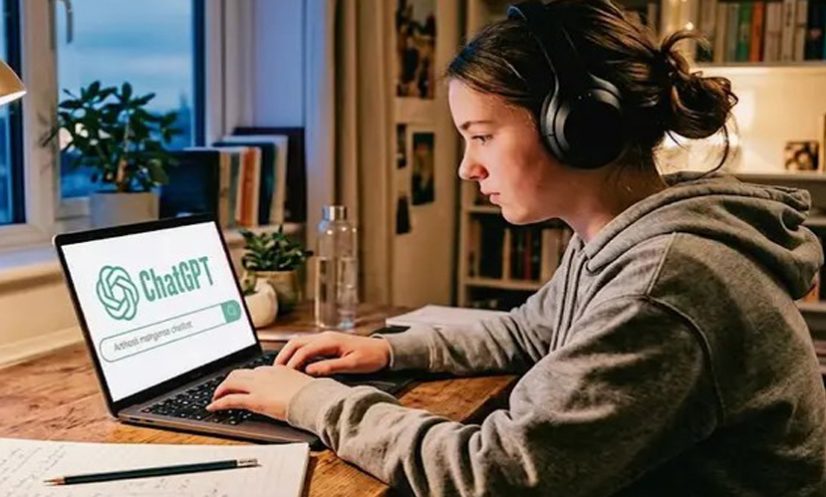
OpenAI has launched ChatGPT for Teens, a dedicated experience for users aged 13 to 17, with stronger safeguards around sensitive content and new parental controls.
The new experience is designed to limit teenagers’ exposure to potentially harmful or age-inappropriate material, including graphic violence, risky challenges, sexual or violent roleplay, unhealthy dieting content and extreme beauty standards.
OpenAI said the protections are enabled by default for teen users.
ChatGPT will automatically place users in the teen experience if its systems estimate that they are under 18 or if they state that they are between 13 and 17. Users aged 18 or older who are incorrectly placed in the teen experience can verify their age to have the additional protections removed.
OpenAI is also taking steps to reduce the risk of teenagers developing unhealthy emotional dependence on the chatbot. The company said ChatGPT should not use romantic language, encourage emotional dependence or present itself as a substitute for real-world relationships. The teen experience will also include reminders encouraging users to take breaks during extended sessions.
Parents and guardians can link their accounts to a teen’s ChatGPT account and manage selected settings, including memory, voice mode, image generation and Study Mode. They can also set Quiet Hours, during which the teen account cannot be used.
However, parental controls do not give parents access to their child’s conversations or real-time activity.
In limited high-risk situations, parents may receive safety notifications if OpenAI’s systems detect signs of serious self-harm concerns or certain violent activity. The company said the alerts are narrowly designed to provide information needed to support a teen’s safety.
The teen-focused experience also places greater emphasis on learning. Through Study Mode, ChatGPT can guide students through problems step by step rather than simply providing answers, supporting a more interactive approach to schoolwork.
The launch comes as generative AI becomes increasingly common among young people, amid growing concerns over minors’ exposure to inappropriate content, excessive AI use and the potential impact of chatbots on emotional wellbeing and education.
OpenAI said the new safeguards are part of its broader effort to make AI use safer and more age-appropriate for teenagers.