


 Play store

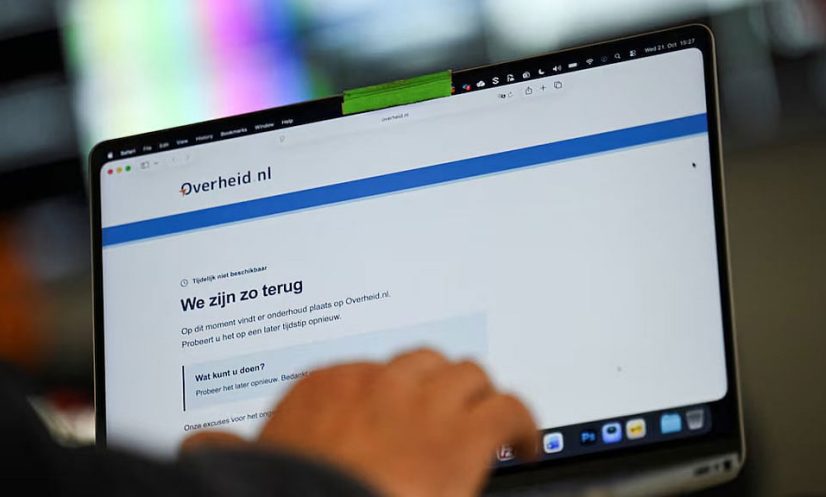
Government agencies and organisations worldwide temporarily shut down websites on Wednesday after two critical security vulnerabilities were discovered in PHP, a programming language widely used to power websites and online services.
The vulnerabilities could allow hackers to execute malicious code on affected servers without authentication, potentially gaining access to server files and databases.
PHP powers a large share of the internet, including websites built on platforms such as WordPress, Drupal, Joomla and Magento.
The security flaws have raised concerns about the potential impact on government services, news outlets, online stores and other digital platforms.
Several organisations in Europe and elsewhere took their websites offline as a precaution while preparing to install security updates.
Affected services included government websites in France, the Netherlands, Belgium and Finland, as well as some websites operated by international organisations.
The US National Security Agency urged organisations using PHP to apply the security fixes immediately.
It advised operators unable to update their systems promptly to take vulnerable services offline until the risks could be addressed.
The PHP Foundation released patches for the two vulnerabilities on October 21, urging users to upgrade their software as soon as possible.
European cybersecurity authorities also advised organisations to identify affected systems, prioritise internet-facing services and monitor for suspicious activity.
The flaws were discovered with assistance from artificial intelligence tools, highlighting AI’s growing role in identifying serious software security weaknesses.
Security experts have warned that organisations must act quickly to protect their systems against potential exploitation.