Play store

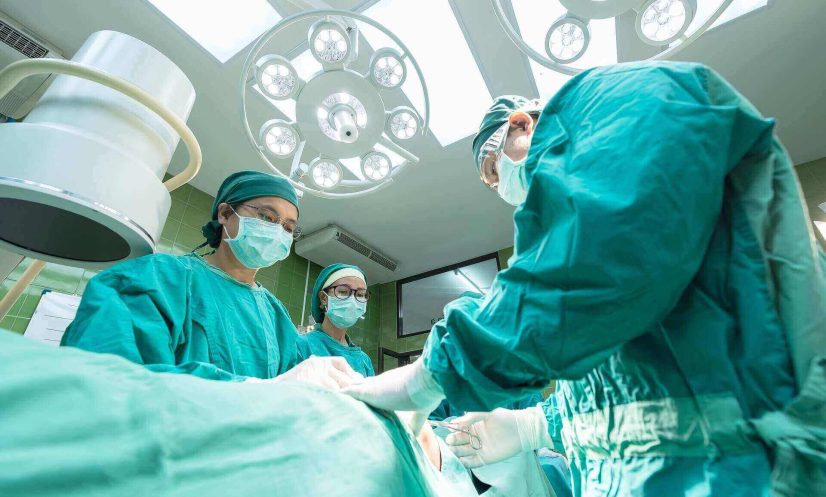
India’s medical tourism industry is facing a sharp slowdown as the conflict between Israel and Iran disrupts air travel and prevents many foreign patients, particularly from the Gulf, from reaching Indian hospitals for treatment.
India ranks 10th among 46 medical tourism destinations globally in the 2025 Medical Tourism Index. But airspace restrictions, flight cancellations, rerouting and higher travel costs over the past five months have reduced the movement of international patients.
Dr Raajiv Singhal, CEO of Marengo Asia Hospitals and chairman of the Medical Value Travel Committee of the Federation of Indian Chambers of Commerce and Industry, said India’s $13 billion medical tourism sector was facing “severe” operational challenges.
He estimated that medical travel from conflict-affected regions had fallen by 40% to 60%, while airfares had risen by 15% to 25%.
“Conflict-affected regions, which were a source of a large pool of patients, have been particularly hit,” Singhal said, adding that many people were postponing non-urgent medical trips as a precaution.
Clinics providing elective procedures and wellness services have experienced the steepest declines, while hospitals handling critical cardiac, renal and cancer cases have seen relatively more resilient demand.
However, even patients requiring complex treatment are delaying travel because of concerns about being stranded amid continuing disruptions, Singhal said.
Max Healthcare, which provides cancer, cardiac, neurological, transplant, joint replacement and robotic surgery services, has also reported a decline in patients from the Middle East.
The hospital group treated about 32,000 foreign patients last year, including around 5,000 from the Middle East. It does not expect a similar number in 2026.
“We have witnessed a decline in patient arrivals from several Middle Eastern countries, especially Iraq, Oman, Yemen, Saudi Arabia and the UAE,” said Anas Abdul Wajid, the group’s director and chief sales and marketing officer.
He said airspace restrictions, flight cancellations, travel uncertainty and delays in non-urgent medical journeys had significantly affected medical travel to India from Gulf and West Asian markets.