


 Play store

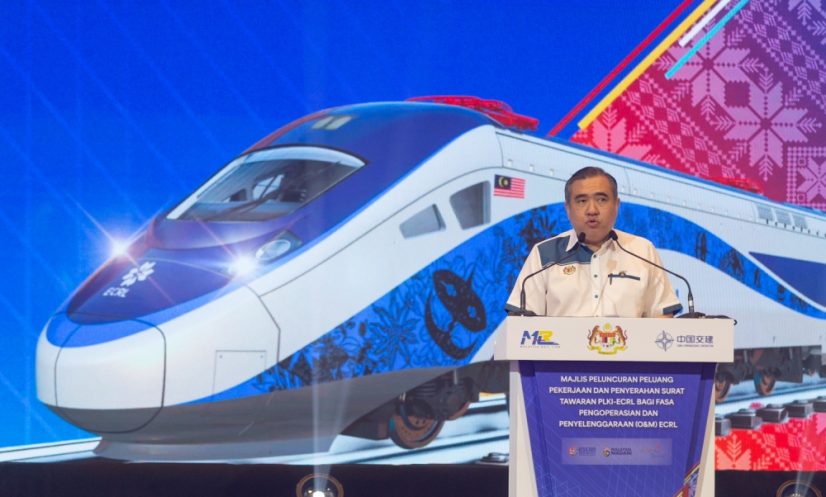
Ahmadul Kobir, Malaysia: Malaysia’s long-awaited East Coast Rail Link (ECRL) could begin passenger services by mid-December, ahead of its original January 2027 target, as the government pushes to bring the first phase of the railway into operation earlier than scheduled.
The 665-kilometre electrified railway is expected to transform connectivity between Malaysia’s east coast states and the Klang Valley, linking Kota Bharu in Kelantan with Gombak before eventually extending to Port Klang in Selangor.
Prime Minister Datuk Seri Anwar Ibrahim said on September 23 that the government wanted to complete the ECRL before committing to other high-speed rail projects in the country.
The ECRL is being developed in two phases. The first phase will connect Kota Bharu to Gombak, while the second will extend the line from Gombak to Port Klang.
Passenger services on the first phase were originally scheduled to begin in January 2027. However, Transport Minister Anthony Loke said in August that the phase was targeted for completion in December, with the government seeking to start passenger services by the middle of the month.
The second phase is scheduled to begin operations in January 2028.
The first phase will use 11 six-car electric multiple unit (EMU) train sets manufactured by China Railway Rolling Stock Corporation (CRRC) Dalian.
Malaysia Rail Link Sdn Bhd (MRL) chief executive officer Datuk Seri Darwis Abdul Razak said in September that the ECRL would cut travel time between Kota Bharu and Gombak from about seven hours by road to around four hours.
According to Loke, the journey from Gombak to Kuala Terengganu could take about three hours, while an express service between Gombak and Kuantan could take about one hour and 35 minutes.
The completed ECRL network will have 20 stations, including 10 passenger-only stations and 10 stations serving both passengers and freight. Each six-car EMU can carry up to 425 passengers in an all-economy configuration.
The trains will operate at speeds of up to 160km/h and will have toilets, luggage racks, food and beverage counters, prayer rooms and ablution facilities. Facilities for passengers with disabilities will also be available.
Loke said the ECRL could eventually carry up to 10,000 passengers a day if service frequency is increased.
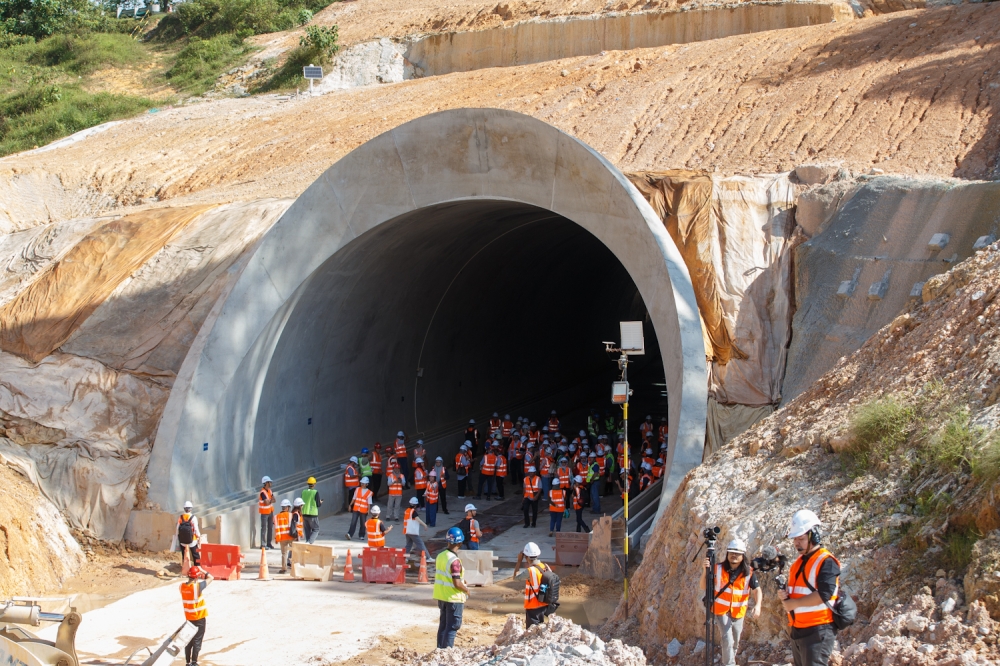
Extensive inspections and trial runs are being conducted to identify potential problems before passenger services begin.
As of September 18, more than 40 comprehensive inspection train runs and 12 freight train tests had been completed, according to CCCECRL project director and senior adviser Kong Qi.
During the trials, trains reached speeds of up to 176km/h, exceeding the planned maximum passenger operating speed of 160km/h.
The full trial run between Kota Bharu and Gombak was targeted for completion by the end of September, followed by the mandatory Fault-Free Run (FFR), scheduled to begin in October.
The Transport Ministry is also expected to announce ECRL fares by the end of this year.
The ECRL is designed to carry both passengers and freight, with electric locomotives to be used for freight services.
Freight trains will be able to operate at speeds of up to 80km/h and haul as many as 45 wagons, with a maximum capacity of 3,500 tonnes per trip.
The electric locomotives are equipped with intelligent human-machine interfaces and safety monitoring systems covering braking, fire protection and high-voltage insulation.
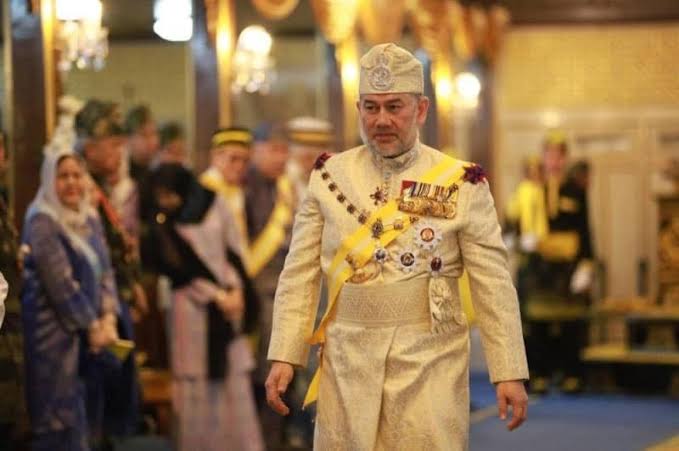
Kelantan’s Sultan, Sultan Muhammad V, has described the ECRL as a potential catalyst for the state’s economic transformation, stressing the need to use the new rail connection to expand markets, improve logistics and attract investment.
He made the remarks on Tuesday in a speech marking his 57th birthday at Istana Balai Besar in Kota Bharu.
The Sultan said the ECRL was scheduled to begin operations in January 2027 and stressed the importance of close cooperation between the state and Federal governments to maximise the benefits of the infrastructure from the outset.
He called on the state government, with Federal support, to leverage the railway to improve logistics efficiency, expand market access and strengthen Kelantan’s position as an investment destination.
He also called for upgrades to road infrastructure linked to the ECRL, particularly major roads connecting the transit-oriented development centre in Bandar Baharu Tunjong with the cargo-oriented development centre in Cherang Tuli, Pasir Puteh.
Sultan Muhammad V said the ECRL opportunity came at a time when Kelantan’s economy was showing resilience and continued growth. The state economy grew by 4.1 per cent in 2025, compared with 3.3 per cent in 2024.
The services sector remained the largest contributor, accounting for 71.8 per cent of economic activity, followed by agriculture at 19.8 per cent.
The Sultan said two new industrial areas in Machang and Tok Bali were expected to begin operations next year. He also pointed to growth potential in construction through major development projects and in the mineral sector.
He highlighted Kelantan’s potential to become a leading state in the East Coast’s “blue economy”, based on the sustainable use of coastal resources, marine ecosystems, fisheries and logistics.
He called on the East Coast Economic Region Development Council (ECERDC) to strengthen the foundation for economic development centred on the Tok Bali Industrial Park.
The Sultan also welcomed efforts to develop the green economy, including renewable energy, while maintaining environmental balance, saying such initiatives could create new sources of revenue for Kelantan.
Sultan Muhammad V also stressed the importance of developing Kelantan into one of Malaysia’s major food-producing hubs.
He highlighted the potential of Rantau Panjang to become a centre for transforming the agro-food sector through agriculture, livestock farming, agro-tourism and value-added industries based on agricultural products.
He also expressed optimism about tourism. According to figures cited in his speech, Kelantan received 12 million domestic visitors and 6.6 million tourists in 2025.
He welcomed initiatives to establish international air links between Kelantan and Jakarta and Singapore and expressed hope that more international routes would be introduced.
He also called for efforts to maintain Stong Geopark’s national geopark status while working towards its eventual recognition as a UNESCO Global Geopark.
Human capital development
The Sultan placed strong emphasis on human capital development, calling for skilled workers to be developed through religious education, mainstream education and technical and vocational training.
He welcomed the proposal to establish a National Tahfiz Council and, ahead of the 2028 Malaysian Games (SUKMA), called for further strengthening of sports development in the state.
On public welfare, he stressed the importance of environmental cleanliness and urged local authorities to improve public services and cleanliness.
He also supported the implementation of the Solid Waste Management and Public Cleansing Act 2007 (Act 672) in Kelantan, expressing hope that it would make solid waste management and public cleansing more systematic and effective.
At the end of his speech, Sultan Muhammad V called on the people of Kelantan to pray collectively for the prosperity and peace of the state and protection from disasters and other dangers.