Play store

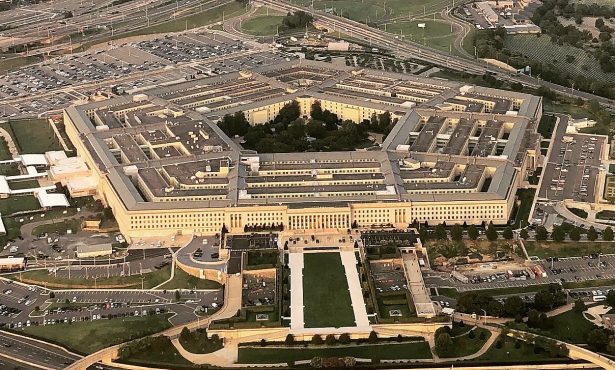
The Pentagon is taking a “shameful approach” to releasing information about US casualties in the Iran war, Leon Panetta, a former defence secretary and CIA director, has told the Guardian.
The defence department has not held a press briefing for two and a half months. Officials have faced accusations that they are engaged in a cover-up designed to hide the true cost of Donald Trump’s war of choice in Iran, fearing a public backlash before November’s midterm elections.
Panetta, who held weekly Pentagon briefings during the wars in Afghanistan and Iraq, criticised the department for failing to disclose how many people had been hurt in bomb attacks by Iran on US bases.
“There’s a deliberate effort here to basically withhold information from the American people, and I think it represents in many ways a shameful approach to sharing the responsibility that we all have when it comes to fighting a war,” he said by phone.
A fragile ceasefire between the US and Iran collapsed earlier this month and both sides have been carrying out daily strikes against each other, prompting fears of a quagmire and a betrayal of Trump’s campaign promise to eschew “forever wars”.
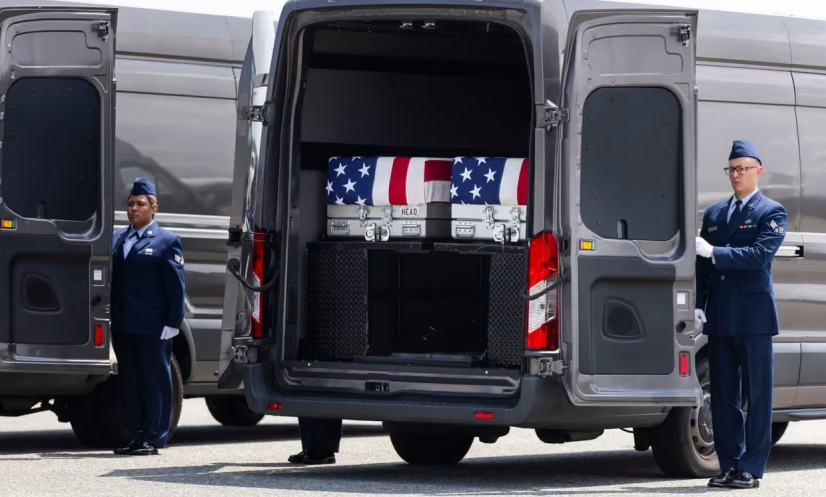
The number of US troops killed in the war on Iran rose to 18 last weekend, while roughly 430 US troops have been injured. The Pentagon said on Monday that 100 service members had been injured since 7 July but that 96% had returned to duty. The department initially failed to disclose the figures, according to a New York Times newspaper report, only belatedly acknowledging the casualties in a social media post.
Officials dismissed the Times’ article as “baseless and malicious” and contend that they are not strictly required to publicise injuries if service members are expected to return to duty. But questions intensified when another Times report said the Pentagon’s website had lowered the number of troop deaths from 18 to 14; Sean Parnell, a Pentagon spokesperson, blamed “a temporary data disruption”.
Critics, however, say the information blackout is a calculated political strategy to hide a failing military intervention.
Ned Price, a former deputy to the US representative to the United Nations and former spokesperson for the state department, said: “This goes beyond a run-of-the-mill administration distrust toward and hostility against the press. This is more about shielding the American people from the true and total cost of this war.”
Since the war started five months ago, there has been a tension between the government’s desire for operational secrecy and the media’s demand for transparency on behalf of the public. Even during contentious, unpopular wars in Vietnam and Iraq, the lines of communication were kept more or less open. But since Trump’s return to power in January 2025, the Pentagon – restyled as the Department of War – has been restricting access.
Almost immediately, it ousted major outlets including the New York Times, National Public Radio (NPR) and Politico from their long-held desks, supplanting them with Trump-friendly media such as Breitbart, One America News Network and the New York Post. In May, it imposed restrictions on the free movement of reporters in much of the Pentagon building.
In October, most news outlets turned in their access badges and walked out of the Pentagon rather than agree to new rules that would leave them vulnerable to expulsion if they sought to report on information – classified or otherwise – that had not been approved by Pete Hegseth, the defense secretary, for release. In December, the department held a three-day event to usher in newly accredited media organisations, including pro-Trump podcasters and influencers.