Play store


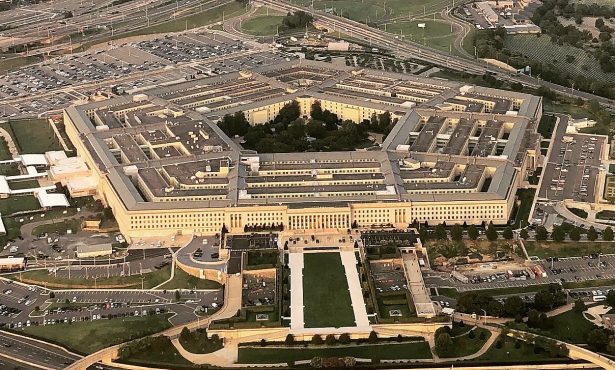
The Pentagon is assessing the future of the US military presence in the Middle East, including whether to reduce forces stationed in the Persian Gulf following the war with Iran, The Washington Post reported on Tuesday, citing eight current and former officials and people familiar with the discussions.
The assessment follows the conflict, which exposed vulnerabilities at major US military installations across the region, according to US officials. The Pentagon is considering whether damaged facilities should be rebuilt as they were or whether the United States should adopt a smaller and more dispersed military posture.
The review is being led by the Pentagon’s policy office, with participation from the Joint Chiefs of Staff and US Central Command (CENTCOM). The Washington Post reported that Defense Secretary Pete Hegseth has not ordered a formal review, while the Pentagon has described the work as precautionary planning for possible decisions after the conflict.
CENTCOM normally oversees about 40,000 US troops at nearly 20 locations stretching from Jordan to Oman. Some of the most important US facilities are located around the Gulf, including the US Navy’s Fifth Fleet headquarters in Bahrain and major air and military installations in Qatar and Kuwait.
The Pentagon had already reduced personnel at several bases before the war amid concerns about potential Iranian missile and drone attacks. Some of those changes could become permanent if Washington concludes that large, concentrated bases are too vulnerable.
The latest assessment comes as the United States has significantly increased its military assets in the region during the conflict. Reuters has reported that US forces have operated at heightened readiness while dealing with attacks and concerns over the security of American installations.
The reported review could have implications beyond the number of troops stationed in the Gulf. A decision to reduce large permanent bases could lead to greater reliance on mobile forces, naval assets, dispersed facilities and temporary deployments, potentially changing how Washington responds to future crises in the Middle East.
The issue has become more urgent as the conflict has also placed pressure on US military resources. Reuters previously reported concerns within the Pentagon about depleted munitions stocks and the time required to replenish some weapons.
At the same time, Washington continues to maintain substantial military capabilities in the region. Reuters reported in August that Hegseth said the US Navy could maintain its blockade of Iranian ports indefinitely by rotating ships in and out of the region.