


 Play store

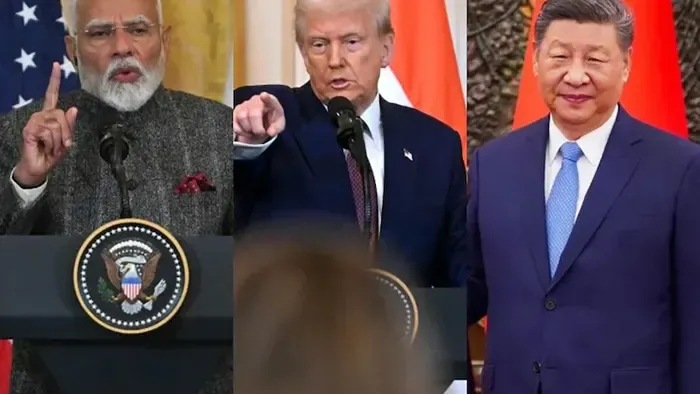
The US Senate has approved moving forward with a bipartisan bill that could impose tariffs of up to 100% on countries such as China and India for purchasing Russian energy.
The legislation, backed by both Republicans and Democrats, would grant the US president authority to levy steep import duties on nations continuing to buy oil and gas from Russia. It also proposes expanded sanctions on Iran and additional punitive measures targeting Russia’s financial and political elite.
The bill passed an initial Senate vote by a wide 86–12 margin, reflecting strong bipartisan support. It will now proceed to the House of Representatives for further consideration, with a vote expected later this year.
The proposed law includes:
New sanctions on Russian President Vladimir Putin, government officials, oligarchs, and banks
Measures against Russia’s so-called “shadow fleet” used to bypass oil export restrictions
Authority for the US president to impose up to 100% tariffs on major buyers of Russian energy, including China and India
However, countries that rely on Russia for less than 15% of their natural gas—and are actively reducing that dependence—could be exempted from the tariffs.
Strategic Aim Supporters say the bill is designed to cut off Russia’s war funding by targeting its energy revenues, a major source of income for Moscow amid the ongoing conflict in Ukraine.
Ahead of the vote, Ukrainian President Volodymyr Zelenskyy met with US senators at Capitol Hill, urging stronger action to curb Russia’s financial capacity to sustain the war.
While the bill enjoys broad backing, some Democratic lawmakers have expressed concern about granting the president sweeping authority to impose tariffs.
The legislation will now move to the House of Representatives, where it is expected to face a vote in September. If passed, it could significantly reshape global energy trade dynamics and increase pressure on countries maintaining energy ties with Russia.