


 Play store

Pakistan is facing growing international criticism over new restrictions on journalists, including foreign correspondents, with press freedom organisations warning that the measures could further erode media freedom and restrict coverage of political unrest.
The latest controversy centres on the Foreign Media Facilitation Guidelines 2026, which require journalists working for international media organisations to obtain government authorisation for assignments outside Islamabad, Lahore and Karachi.
The restrictions have drawn strong criticism from the Committee to Protect Journalists (CPJ), Human Rights Watch, Reporters Without Borders and the Pakistan Federal Union of Journalists, among other rights and media organisations.
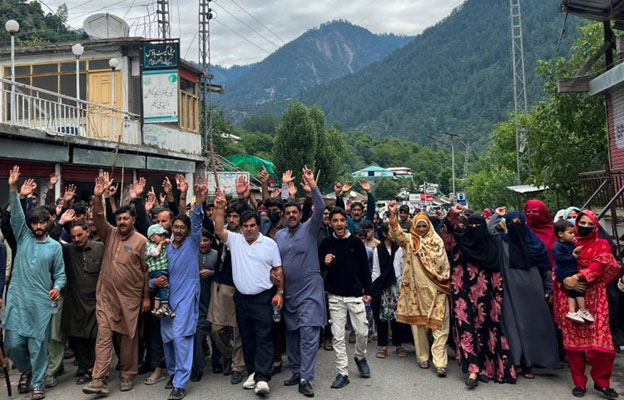
According to The New York Times, the restrictions were introduced amid heightened tensions in Pakistan-administered Kashmir, where protests over political autonomy and electoral issues have been continuing.
The newspaper reported that foreign journalists covering developments in the region have faced tighter controls, while journalists in Pakistan have in recent years experienced increasing censorship, financial pressure, arrests and other forms of official pressure.
Beh Lih Yih, CPJ’s Asia-Pacific regional director, told Inter Press Service that Pakistan was damaging its international reputation by restricting journalists from reporting from large parts of the country.
“The latest attempt to censor media coverage highlights the deteriorating situation of press freedom in the country,” she said, describing Pakistan as one of the most dangerous places for journalists because of killings, enforced disappearances and other threats.
She urged Prime Minister Shehbaz Sharif’s government to withdraw the restrictive measures and stop targeting journalists through detention or questioning.
CPJ has separately called on Pakistani authorities to withdraw the new guidelines, warning that they could be used to prevent international media from independently covering unrest in Pakistan-administered Kashmir.
Waliullah Rahmani, CPJ’s Afghanistan and Pakistan representative, said the guidelines opened the door to further restrictions on international media coverage and could expose journalists to administrative retaliation.
According to the guidelines reviewed by CPJ, international and Pakistani journalists working for foreign media organisations, including web-based and social media platforms, must obtain a no-objection certificate (NOC) from the information ministry for official assignments, particularly work outside the country’s three major cities.
The regulations also give authorities broad powers to suspend or revoke journalists’ accreditation or take action against media organisations for activities deemed contrary to Pakistan’s ideology, sovereignty, security or public order.
Press freedom advocates say such provisions give authorities excessive discretion and could discourage journalists from reporting on sensitive political and security issues.
The guidelines were introduced shortly after the government criticised international media coverage of elections and protests in Kashmir. Authorities accused Al Jazeera of “yellow journalism”, while access to the broadcaster’s website was reportedly restricted.
The restrictions have heightened concerns over independent reporting from Pakistan-administered Kashmir, where demonstrations demanding political and electoral reforms have triggered clashes with security forces.
International media outlets have reported allegations of police violence during the unrest. CPJ said at least 40 people had died ahead of the vote, which began on July 27.
Authorities also suspended mobile and internet services during periods of unrest, further complicating independent reporting and communication.
The government has defended its regulatory measures as necessary for managing foreign media activity and protecting national interests. Critics, however, argue that restrictions imposed on journalists under broad national-security provisions can effectively amount to censorship.
The latest measures come against a broader backdrop of concerns over Pakistan’s press freedom environment. Journalists and rights groups have reported cases involving arrests, questioning, intimidation, financial pressure and restrictions on media organisations.
In a country where political power has long been shaped by tensions between civilian governments and the military establishment, media freedom has remained particularly sensitive.
Human rights and press freedom organisations argue that independent journalism is essential for ensuring public accountability, particularly during elections, protests and political crises.
UNESCO had not issued a specific statement on the latest restrictions as of the time of reporting. However, the measures have triggered strong responses from organisations including CPJ, the Human Rights Commission of Pakistan and Amnesty International.
CPJ said Pakistan’s information ministry did not respond to its request for comment.
The growing criticism has placed renewed focus on Islamabad’s commitment to constitutional guarantees of freedom of expression and its obligations under international human rights standards. For journalists, the central concern is whether the new rules will become another instrument for restricting reporting at a time when independent coverage of political developments is already under considerable pressure.