Play store

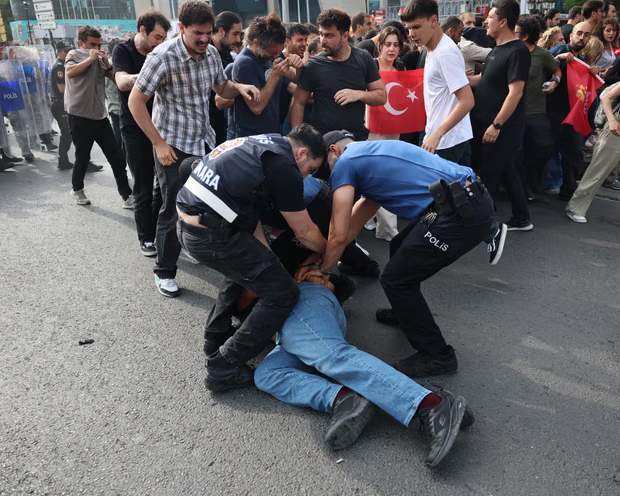
Turkey has intensified a sweeping crackdown on public life ahead of the Nato summit in Ankara, with more than 200 people arrested, protests banned and fresh curbs on media and expression drawing international concern.
Authorities carried out raids across Ankara last month, detaining over 200 people, while a ban on demonstrations remains in place until 10 July.
Rights group Human Rights Watch (HRW) said the measures reflect “ruthless intolerance of freedom of speech and assembly”.
The crackdown comes as the Nato summit begins Tuesday, with HRW warning it is being held amid “intensifying violations of basic rights”, including restrictions on opposition parties and the media.
In a high-profile case, stand-up comedian Deniz Göktaş was arrested and placed in pre-trial detention over remarks made during a performance in Istanbul, where he referred to President Recep Tayyip Erdoğan as a dictator.
He faces charges of insulting the president and denigrating religious values.
Authorities have also targeted journalists. Two reporters were detained on Sunday, while others, including a lawyer and civil society figures, were held in earlier raids linked by prosecutors to alleged militant networks—claims critics say lack evidence.
In a separate move, officials in the coastal town of Aydın blocked a cruise ship carrying LGBTQ+ passengers from docking, citing concerns over “moral values”.
The decision sparked backlash, including from performer Patti LuPone, who was scheduled to appear onboard.
Press freedom advocates say Turkey has increasingly used legal and administrative measures to silence dissent. Reporters Without Borders recently ranked the country 163rd out of 180 in its global press freedom index.
The government, however, maintains that the arrests are part of counterterrorism efforts aimed at dismantling extremist networks.
Analysts say the developments highlight growing tensions between security measures and civil liberties as Turkey prepares to host a major international summit.